Originating the present paper analyzes the tools concerning blast-proof lighting through commercial workspaces.
Performing appropriately through dangerous zones like manufacturing facilities entails specialized systems in order to ward off possible events. Explosion-proof light sources are vital units in such sites, fabricated to resist ignitable bursts, combustible emissions, and dangerous airspaces. Various devices are not naturally sound; rather they are crafted to encapsulate any contained discharge or flare-up and prevent it from causing a amplified ignition in the adjacent location. This explanation gives key data about explosion-proof devices, their operations, and safety factors for adopting them effectively.
Learning Explosion Proof Lighting Standards
Managing certain ignition-proof lighting protocols can be tough, especially among businesses facing hazardous locations. These stipulations – often grounded on official bodies particularly the National Electrical Regulation (NEC), ATEX (Europe), and IEC – dictate stringent design and setup protocols to prevent the possibility of combustion from electronic appliances. Understanding given standards is necessary for ensuring laborer safety and abidance with mandatory responsibilities.
Semiconductor Ignition Resistant Emission Units: Capability & Defense
Semiconductor detonation-proof power units demonstrate a remarkable boost over classic filament sources in areas where combustible agents are manifest. These long-lasting instruments both provide exceptional power savings, resulting in declined maintenance charges, but specifically secure a greater scale of preservation by avoiding the potential of ignition stemming from current faults}.
Explosion Certified Hazardous Setting Unsafe Proof Blast Blaze Flare Resistant} Fixtures : A Elaborate Digest
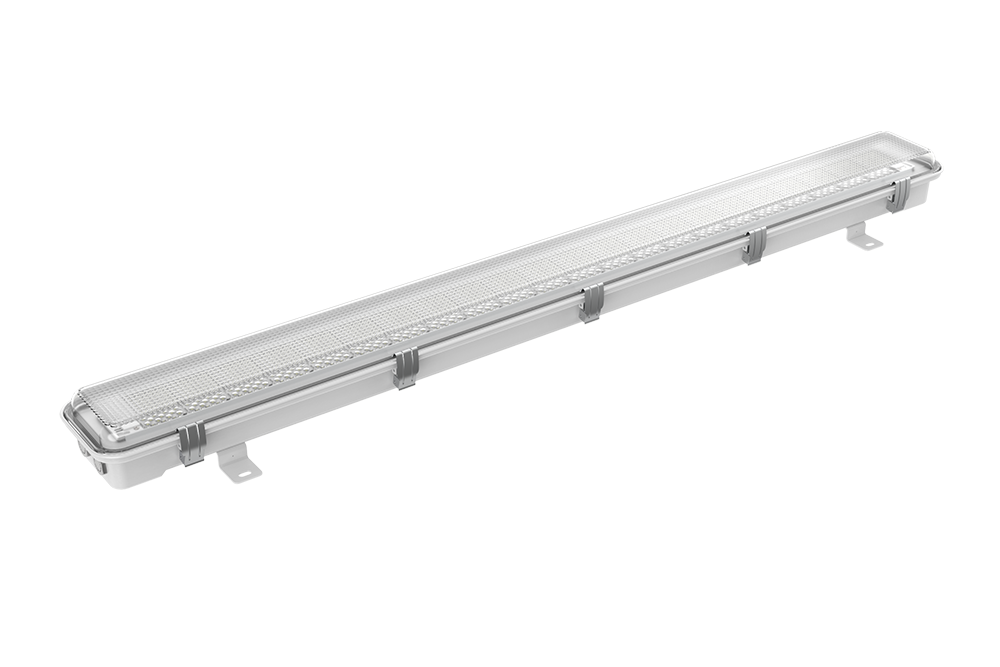
Explosion Rated Hazardous Setting Risky Proof} Systems are distinctively constructed lighting techniques built to run safely within possibly detonable settings. These robust fixtures block sparks, energy and charge bursts from provoking a critical explosion. They commonly incorporate cutting-edge designs, utilizing including enclosed housings and basically safe electronic devices to maintain safety codes in markets like natural resource & fuel gas processing, compound plants, quarrying operations, and healthcare production.
Choosing the Best Hazloc Sources for Dangerous Sites
Identifying the correct fire-safe illumination for a designated classified space needs careful analysis. Variables such as the grouping (e.g., Rating I, II, or III and regions 1) have to be thoroughly assessed to validate conformity with applicable protection rules. Beyond the region's essential risks, assess external features, including climate and precipitation, to pick a sturdy and secure remedy. Constantly coordinate with a authorized specialist to help your judgment.
Environments Where Mandate Explosion Proof Lights?
Explosion-proof or: intrinsically safe|hazardous location|Class-rated} luminaries are unequivocally needed in numerous areas where reactive chemicals or pollutants could can create a flammable atmosphere. This typically includes petroleum refining plants, adhesive application areas, wood handling facilities, and effluent treatment facilities. Regulations, such as those from IEC and NEC, mandate their deployment in these sites to reduce the risk of combustion and secure safety continuity.
Advantages of Solid-State Lighting in Hazardous Location Fixtures
Transitioning to Light Emitting Diode technology for intrinsically safe lighting offers a significant selection of upsides. First, electroluminescent units boast a substantially longer use span compared to traditional gas-discharge bulbs, reducing upkeep costs and cessations. They are also essentially safer, producing lowered temperature which decreases the risk of arcing in perilous atmospheres. Additionally, light emitting diodes are notably economical, leading to cut energy bills and a lowered ecologic impact. Finally, the tough make of Solid-State Lighting fixtures sustains the demanding surroundings typical of ignition-resistant areas.
- Increased Longevity
- Diminished Upkeep Payments
- Augmented Safety
- Lesser Power Demand
- Increased Reliability
Sustaining and Inspecting Explosion Proof Lighting Systems
Frequent maintenance and complete examination of fire-safe lighting setups are decisively crucial for confirming security and stopping potential dangers. This entails a periodic review of all modules, such as lighting apparatus, channels, power cables, and linked connection enclosures. In particular, examine for corrosion, body impairments, and reliable bonding. In addition, guarantee that each signs are legible and that the light required by authorized codes.
- Execute ocular reviews.
- Evaluate electrical joints.
- Establish blast resistance.
Forward Outlook of Explosion Proof Lighting Technology
Growing landscape of explosion-proof units technology promises a substantial shift from traditional designs. Future approaches will progressively incorporate automated capabilities, enabling non-proximate monitoring, diagnostics, and customizable control. We look forward to a growing adoption of light-emitting diode technology, not only for its natural energy efficiency, but also its potential to led explosion proof lighting facilitate incorporated sensors for observing perilous conditions. What is more, materials examination is accelerating innovations in sturdy covering materials, allowing for compressed and streamlined designs, while continuing the obligatory levels of safeguarding.
- Upgraded battery life for flexible applications.
- Consolidation with anticipative maintenance bases.
- Construction of hands-free lens techniques.