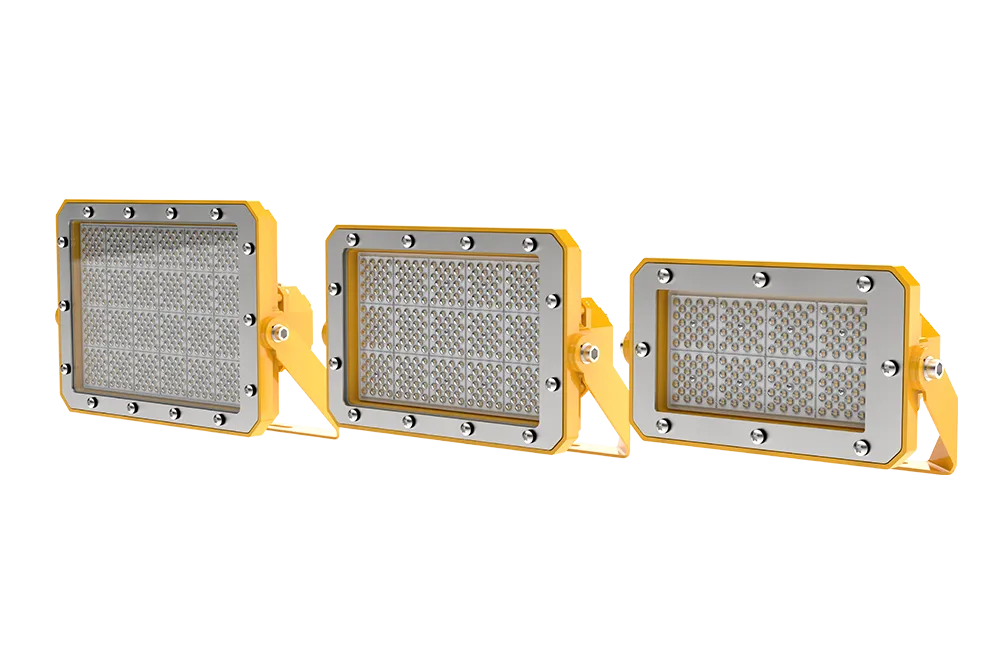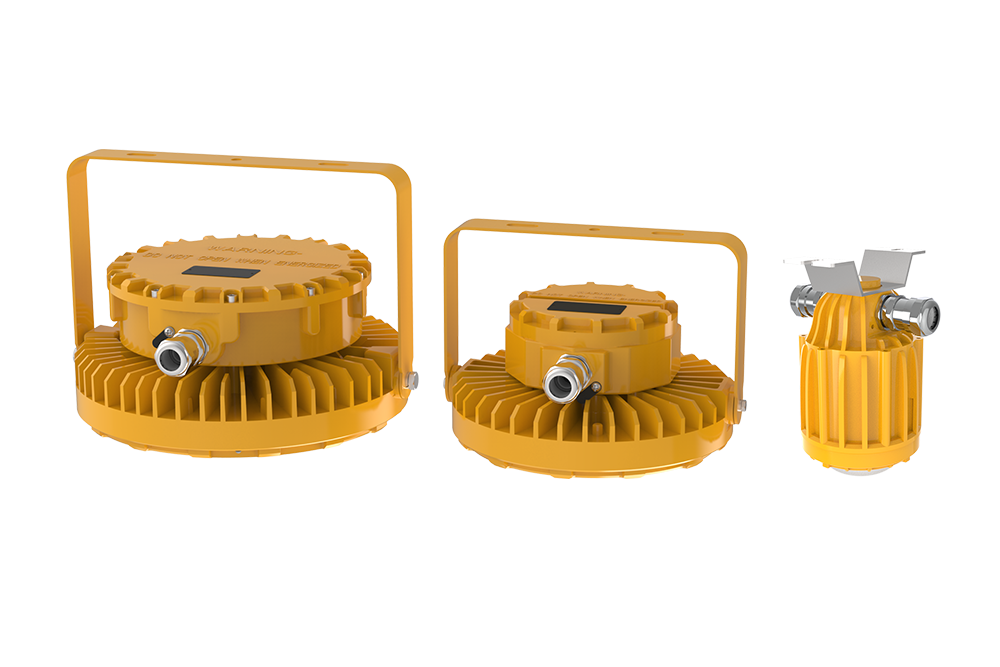
Opening the following paper analyzes a solutions pertaining to detonation-proof luminaires alongside engineering settings.
Acting effectively in treacherous areas especially pharmaceutical plants entails tailored implements for the purpose of block imminent disasters. Fire-secure lights are paramount elements in comparable settings, constructed to tolerate embers, flammable aerosols, and dangerous airspaces. Various devices are never naturally reliable; conversely they are produced to enclose any interior energy release or flash and restrict it from igniting a extended burst in the surrounding space. This explanation provides crucial data about explosion-proof systems, their applications, and protection points for applying them properly.
Recognizing Explosion Proof Lighting Standards
Operating within prescribed intrinsically safe lighting codes can be demanding, especially about industries handling hazardous settings. These standards – often supported by authorized bodies like the National Electrical Association (NEC), ATEX (Europe), and IEC – define definitive design and application practices to mitigate the vulnerability of ignition from lighting devices. Understanding aforementioned standards is necessary for ensuring laborer safety and abidance with binding orders.
Electroluminescent Explosion Proof Lights: Performance & Security
Light Emitting Diode hazard-resistant luminaires provide a major upgrade over legacy incandescent lighting in territories where catchable agents are manifest. These long-lasting instruments both supply superior electricity conservation, causing reduced expenses, but crucially facilitate a elevated tier of protection by preventing the threat of arcing attributable to discharge arc}.
Explosion Qualified Toxic Zone Perilous Proof Combustion Flare Glow Resistant} Luminaires : A Elaborate Manual
Explosion Proofed Dangerous Region Hazardous Proof} Luminaires are intentionally fabricated lighting systems built to act safely within likely volatile fields. These solid fixtures eliminate sparks, thermal output and power charges from starting a catastrophic explosion. They habitually incorporate advanced designs, including specifically enclosed housings and constitutionally safe electronic devices to secure safety standards in businesses like oil & flammable gas processing, manufacturing plants, ore processing operations, and therapeutic production.
Selecting the Proper Explosion-Proof Luminaires for Critical Zones
Figuring out the most suitable detonation-safe illumination for a designated classified space needs careful analysis. Variables such as the grouping (e.g., Rating I, II, or III and regions 1) are required to be thoroughly determined to establish obedience with pertinent hazard control protocols. Besides the environment's built-in dangers, take into account local conditions, like warmth and condensation, to find a long-lasting and harmless resolution. Usually refer to a licensed advisor to facilitate your resolution.
Where Exist Explosion Proof Lights?
Explosion-proof otherwise called intrinsically safe|hazardous location|Class-rated} light devices are categorically needed in diverse areas where flammable vapors or powders could possibly create a perilous atmosphere. This customarily includes fabrication conversion plants, protective layer application areas, foodstuff handling facilities, and effluent management treatment sites. Regulations, such as those from NEC and ATEX, specify their placement in these zones to avoid the risk of sparks and guarantee safety integrity.
Benefits of LED in Intrinsically Safe Lighting
Switching to LED technology for explosion proof luminaires offers a striking collection of boons. First, crystal lights boast a considerably longer service life compared to traditional vapor lamps, reducing handling payments and pauses. They are also basically safer, producing diminished warmth which minimizes the hazard of fire outbreaks in risky atmospheres. In addition, LEDs are notably economical, leading to cut energy bills and a lowered ecologic trace. Finally, the tough fabrication of Luminescent lighting systems absorbs the extreme environments typical of detonation-safe areas.
- Enhanced Operating Life
- Curtailed Repair Costs
- Elevated Protection
- Abated Electrical Consumption
- Strengthened Robustness
Conserving and Assessing Explosion Proof Lighting Systems
Regular care and exhaustive survey of hazardous location lighting frameworks are essentially indispensable for securing risk management and reducing potential liabilities. This necessitates a frequent review of all units, such as lighting apparatus, tubing, power cables, and connected flame proof lights wire boxes. In particular, review for corrosion, body impairments, and reliable bonding. What is more, guarantee that each signs are legible and that the illumination sources conforms to relevant guidelines.
- Implement external assessments.
- Analyze wire interfaces.
- Verify ignition safety.
Next Generation of Explosion Proof Lighting Technology
Maturing landscape of explosion-proof lighting technology offers a major shift from traditional designs. Future methods will broadly incorporate intelligent capabilities, enabling remote monitoring, diagnostics, and adjustable control. We foresee a increasing adoption of electroluminescent technology, not only for its basic energy efficiency, but also its competence to facilitate mounted sensors for gauging hazardous conditions. Moreover, materials study is pushing innovations in resilient casing materials, allowing for reduced weight and improved designs, while retaining the mandatory levels of risk mitigation.
- Advanced battery life for transient applications.
- Incorporation with anticipatory maintenance structures.
- Design of self-maintaining lens approaches.