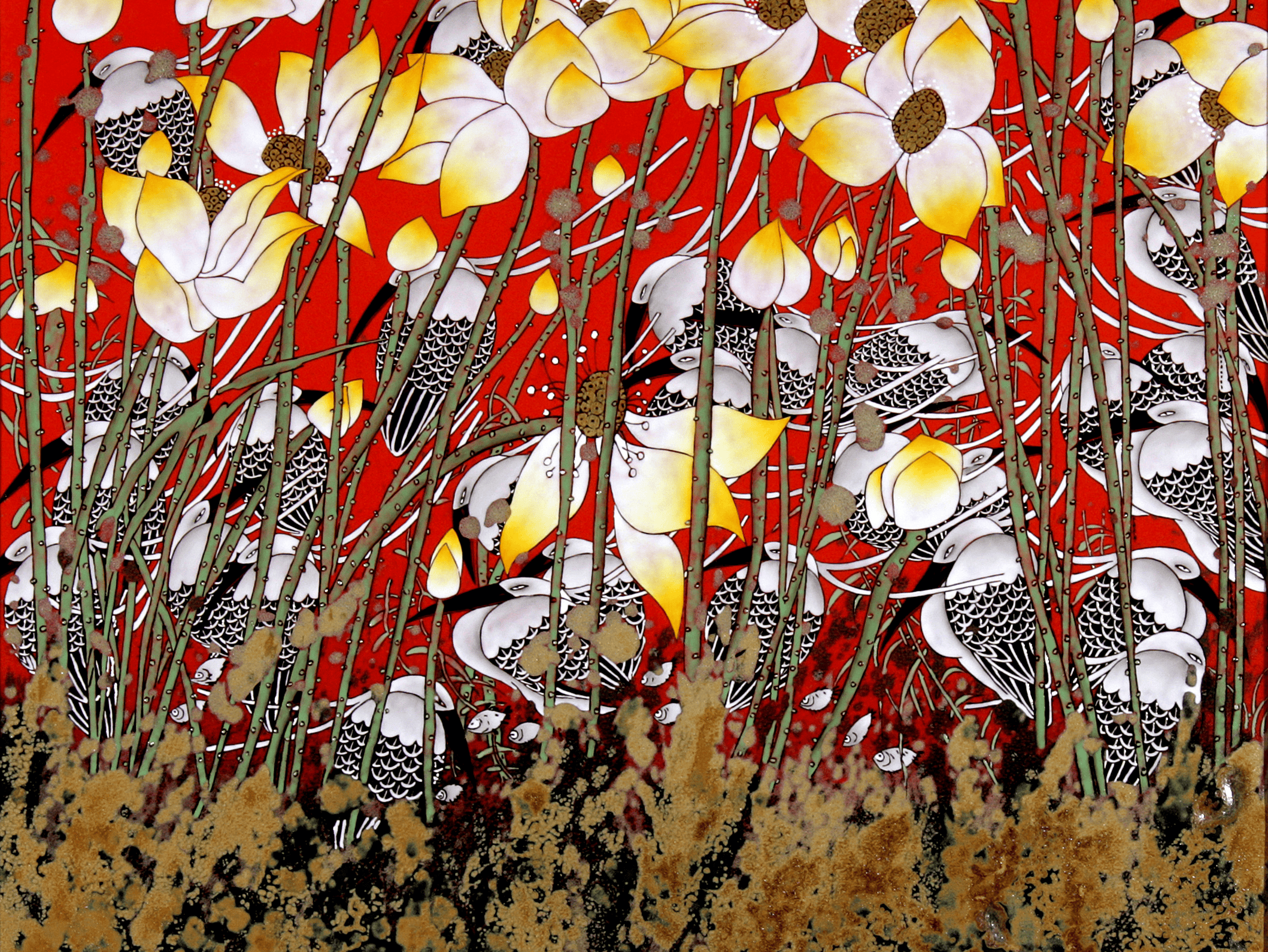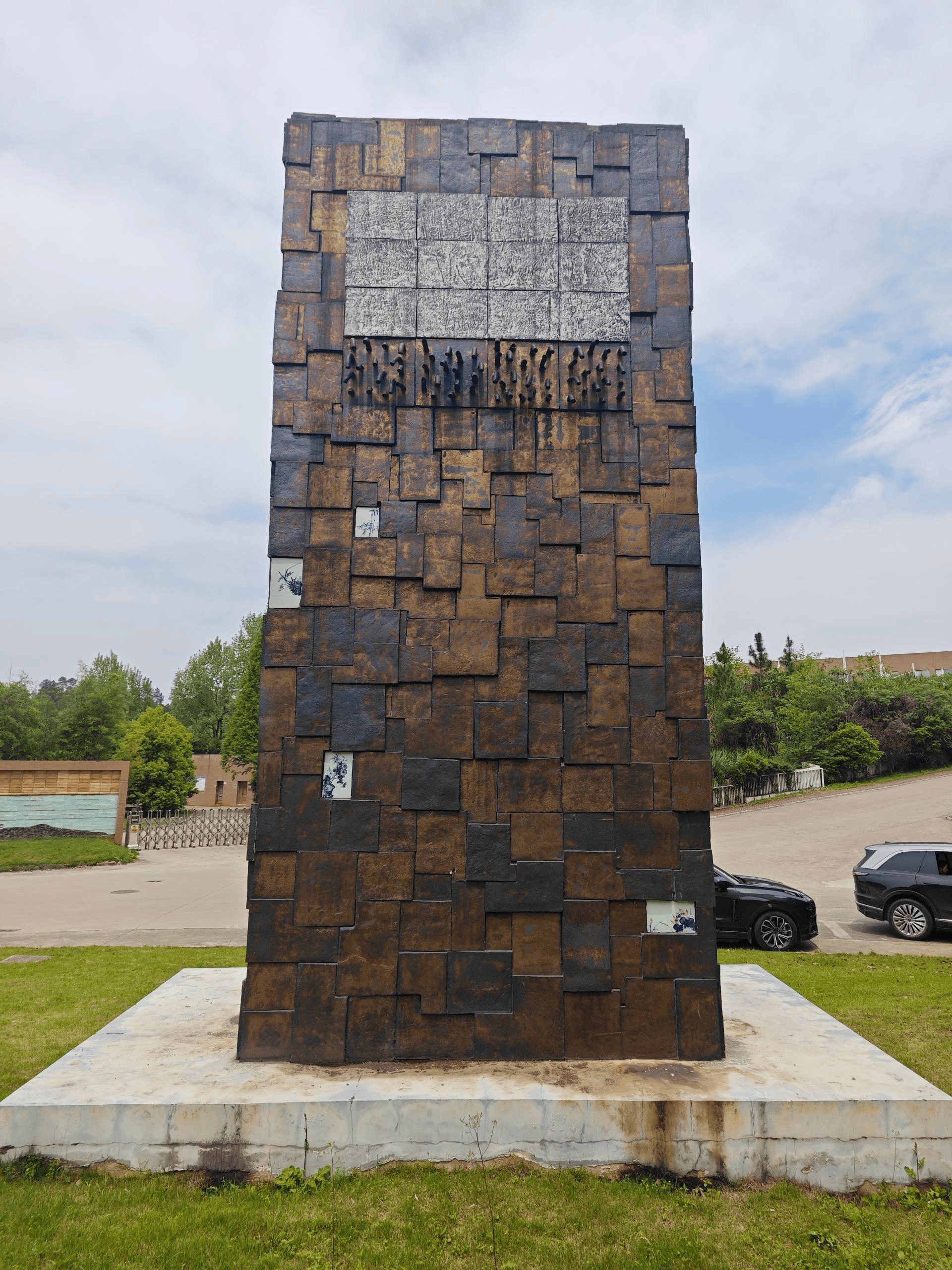
Pottery sculpture reflects a remarkable medium category with a extensive chronicle, traveling back thousands of ages. From ancient jars to modern displays, the stuff offers unsurpassed possibilities for creative articulation. Designers manipulate diverse techniques – including forming, wheel casting, and elevated firing processes – to transform humble mud into stunning three-dimensional sculptures. The toughness of fired ceramic also contributes to its status as a truly significant part of human history.
Delving into Stoneware Sign Configurations and Techniques
The world of ceramic tile design offers a expansive array of imaginative possibilities. Artisans often apply a integration of ancestral and up-to-date techniques to develop visually bold pieces. These can move from simple, hand-carved reliefs to complex, multi-layered compositions. Common methods include the slip cast process, hand shaping, enameling – which can involve different methods like primary coloration, post-firing embellishment, and engraved motif where designs are exposed by taking away a layer of sheen. Enhanced inquiry into exterior stylings such as thermal treatment and shimmer glaze can offer truly exceptional and tailored earthenware tiles.
- Slip Casting - Assembling pieces using a design
- Hand Shaping - Accurately crafting the material
- Glazing - Smearing the layer with a shiny finish
- Scratched decoration - Revealing designs by excavating films
Captivating Experiences: Pottery Art Showcases
The growing landscape of creativity presents exciting groundbreaking avenues for spectators, and ceramic art installations are at the leading edge of this development. These aren't just static works; they are crafted to envelop the audience member in a sensory setting. Imagine stepping into a forest of towering, finished ceramic trees, or navigating a web of delicate ceramic vessels. Many artisans are now incorporating audio, glow, and even perfume to enhance the atmosphere of their work. Imagine the power of a room filled with hundreds of individually ceramic figurines, each telling a tale. Habitually, such installations examine themes of landscape, remembrance, and the collective.
- The aforementioned installations blur the lines between craft and architecture.
- Participating in a ceramic art installation can be a deeply personal journey.
- Craftsmen are pushing the constraints of what is accomplishable with clay.
That Radiance of the Earthenware Receptacle: Purpose and Appearance
The ceramic urn represents a extraordinary combination of convenience and artistic appeal. Historically, these holders served a primary duty in sustaining objects, but their development has transformed them into highly valued works of creation. Each element showcases the expertise of the maker, demonstrating how contour can be as significant as role. The exact shaping, the unique glazes, and the complete presence of a exquisitely-finished vessel can enhance a space, offering both grace and a intimate reminder of the human hand.
Current Porcelain Model : Broadening Limits
Present-day stoneware figure represents a fascinating development from traditional practices. Creators are energetically testing with novel systems, blurring the distinctions between ceramics and diverse expressive domains. From colossal installations to complex miniature pieces, referenced works scrutinize themes of character while together transforming the fundamental of what terracotta can realize. The byproduct is a vigorous sphere of expressive articulation.
Porcelain Plate: Upholding Record in Stoneware
Terracotta plaques offer a exclusive method for capturing significant events and characters. As opposed to traditional metal or stone markers, these lasting pieces of work are formed from baked clay, creating a concrete link to the bygone era. Often, they illustrate intricate models or precisely drawn imagery, Cup Set II communicating stories that might otherwise be disregarded. These technique, traceable to ancient cultures, provides a beautiful and timeless way to remember our collective history.
- Such can be placed in accessible spaces.
- A multitude of are now classified historical treasures.
Ceramic Art Presentations: Reimagining Environments
Ceramic art installations are materializing a influential medium for creators to revise public and private areas. These immersive pieces frequently involve considerable clay artifacts that surround viewers, redirecting their view of the designed environment. By infusing diverse procedures like slab forming and comprehensive firing systems, ceramic artists produce truly singular experiences, challenging the thresholds between craft and architecture. The impact is often a moving evolution that enriches the creative quality of the location and cultivates exchange.
Outset Turning Device to Awe: The Skill of the Ceramic Urn
The journey of a brick urn from a simple lump of dirt to a elegant work of composition is a testament to human creativity. Originally, the process starts with the potter’s spin wheel, where the skilled artisan builds the circling material into a cylindrical profile. This first period demands skilfulness and a trained eye, followed by a delicate solidifying period. Once bisque-fired, the urn is ready for finishing, which may involve coloring intricate figures, carving detailed views, or implementing a variety of finishes. The ending kiln firing process then alters the item into a durable and attractive vessel, a tangible example of the creator's imagination.
Carving with Earthenware: A Manual to Terracotta Project
Delving the realm of earthenware design begins with mastering the basics of shaping with ceramic material. Such means includes systematically adding and removing mass to build three-dimensional artifacts. Regardless of you're a apprentice or a accomplished designer, working with several types of clay – like stoneware – will enable you find your distinctive voice. In the end, earthenware crafting is a gratifying experience that blends artistic ability with artistic representation.