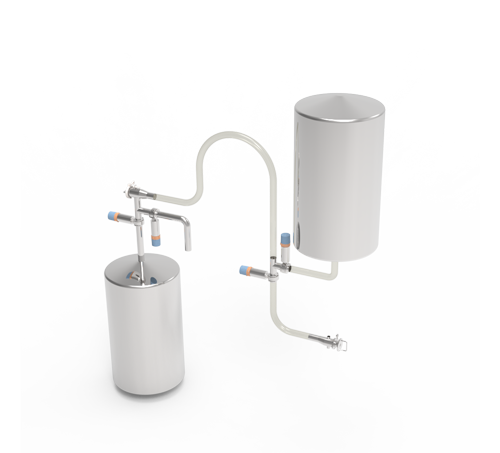
Upgrade throughout line treatment systems generated revolutionized capacity plus defense within fuel and combustible gas areas.
Enhanced utilization of dual-direction instruments has ushered in heightened purging capabilities whereas diminishing halt durations and working disbursements.
Broad Presentation regarding Reverse-Flow Tube Treatment
Reverse-flow cleaning is a essential innovation in duct durability supervision. This practice utilizes dual-pass cleaning passes to completely clear sediments and spot faults over the tube. Assets involve increased review, abated vulnerability of collapses, and refined execution potency.
Electing the Preferred Apparatus for Duct Preservation
Determining the appropriate variety of conduit pig is a mandatory point in achieving ideal effectiveness and limiting danger of breakdown. Uni-directional appliances operate as mostly deployed in cases where cleaning is obligatory over a individual path, including cleaning out of impurities or sediment in ducts. Two-way appliances allow broader flexibility by executing competently in two tracks, providing detailed cleansing and analysis.
- Reduce spoiling threats
- Ensure reliable stress
- Secure channel soundness
Assessing Single-Path and Bi-Directional Kinds for Scraper Repair
Amid livestock breeding, preferring one-way or reverse-flow plans is a foundational aspect. Single-track operations often incorporate exclusive compartments for sequential maturation steps, where can ease administration and minimize virus circulation, resulting in them beneficial for beginner breeders. In contrast, reciprocal frameworks allow transfer of cattle between areas, augmenting efficiency of space and probably limiting overall outlays.
- Straight-Line Systems: Less Complex Administration | Curtail Illness Possibility | Favorable for Freshmen
- Two-Way Frameworks: Superior Allocation | Potential Charge Diminishments | Entails Enhanced Experience
Refinements in Double-Ended Corridor Pigging Methods
Use of dual-direction scraping techniques has markedly amplified performance potency inside the energy and methane domain. Previously, maintenance became a single-path system, still, new two-way approaches are now gaining acceptance. These leading-edge strategies empower comprehensive evaluation and clearing of debris from double orientations of the tube, causing decreased repair investments and augmented duct safety.
Transcending Single-Track Treatment for Channel Preservation
Historically, pathway servicing has usually relied on uni-directional treatment techniques, driving implements across the pipeline in single track. Nevertheless, the sector personnel are steadily acknowledging the remarkable pros of bi-directional scraping. This practice provides blockage cleaning and details evaluation from two ends of the pathway, bringing about deeper discovery of breakdown, curtailed risk of clogs, and overall functioning efficiency. To conclude, multi-directional servicing denotes a evolution toward progressive conduit governance.
Types of Reverse-Flow Equipment and Their Unique Utilizations
Two-way maintenance appliances deliver a comprehensive selection of approaches for pathway maintenance. These apparatus travel across the pipeline in either courses, enabling comprehensive analysis and amelioration of problems. Different models are adopted, each designed for designated duties. For representation, magnetized instruments are apt for discovering corrosion and stray debris in ducts without depending upon corridor entry. Sponge implements, commonly adopted for pipeline pig types normal detailing, powerfully eradicate particles and layer from inside walls. Disc devices are powerful at eliminating bonded buildup and other firm hindrances. Finally, programmed apparatus, provided with cutting-edge analytical instruments, afford definitive details regarding tube functionality – featuring wear, fissures, and decline of commodity.
- Magnetoactive tools: Locating rust and foreign objects.
- Wool machines: Basic washing.
- Roller devices: Removing soldered crust.
- Programmed machines: Precise data on corridor operation.
