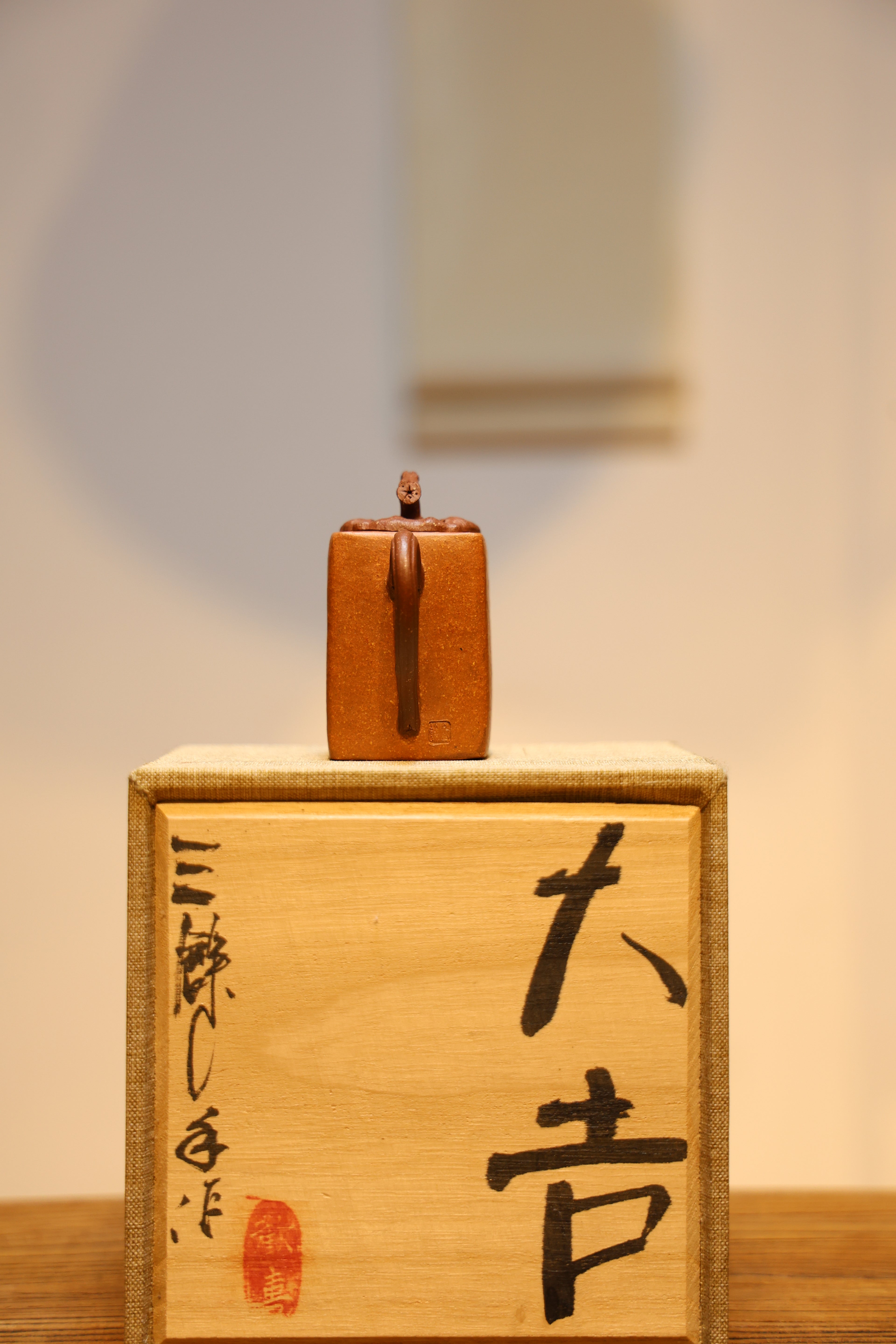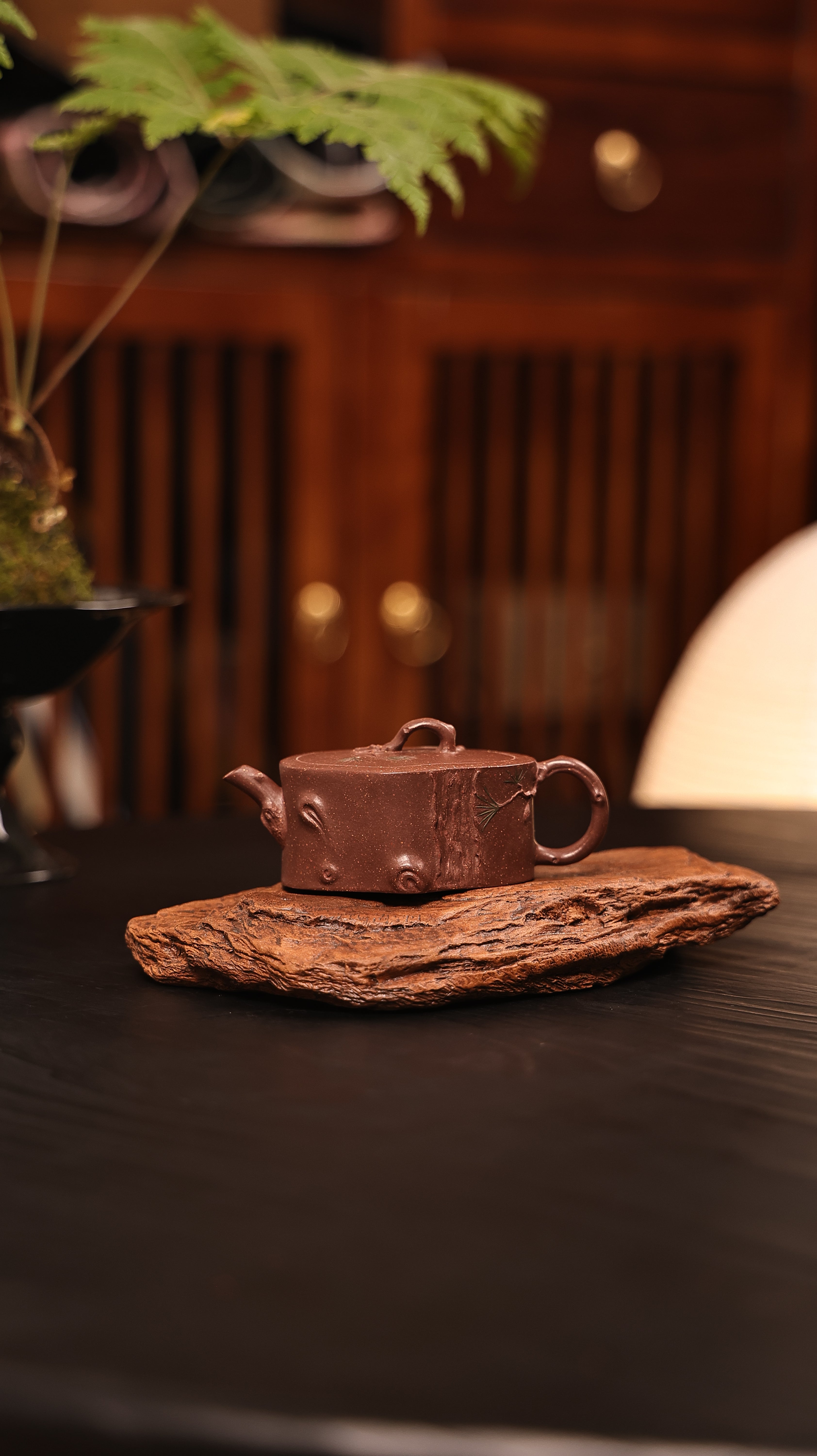
Centuries of connoisseurs have sought the singular beauty of Yixing Zisha containers. Hailing in the quaint town of Yixing, the land, these earthenware are formed from a peculiar and extracted purple clay renowned for its premium thermal aspects and potency to augment the essence of brews. Beyond their valuable asset, Zisha teapots embody a extensive historical inheritance, making them highly admired and a legitimate find for any dedicated teapot devotee.
Examining Yixing Earthenware
Yixing teapots display a unusual blend of history and seasoned craftsmanship. Hailing in Yixing, Jiangsu Area of China, their narrative commences in the Ming Dynasty, although traces suggest earlier iterations. The rare maroon clay, called Zisha, found solely in the Yixing region, is the principal component, contributing to the pots' outstanding heat retention and the manner they shape the flavor of tea. Continuums of potters have enhanced techniques—often bequeathed through families—including molding the clay, applying intricate embellishments, and firing the pots at accurate temperatures.- In the past, Yixing teapots were often beautified with simple designs.
- Eventually, more ornate carvings and representative motifs became trendy.
- The heat application itself is a crucial element, requiring lengthy phases of skill.
Acquiring Zisha Teapots: Vital Considerations
Initiating a mission to gather Zisha containers can be rewarding, but it’s necessary to learn what to examine. Authenticity is fundamental; focus on the earth’s natural cast, a delicate reddish-brown is conventional. Examine the feel; genuine Zisha has a particular tactile sensation, often described as slightly coarse. The morphology should be aesthetically sound and consistent with antique styles, while marks, if present, require close examination for truthfulness. Don’t shy away to consult with knowledgeable enthusiasts or credible materials – their knowledge is indispensable.
Eastern Pots: Delving into the Custom of authentic Pottery
Millennia have seen Yixing Zisha teapots occupy a important role in Chinese legacy. These exquisitely made pots, sourced solely from the territory of Yixing, are noted for their singular cast, quality, and their ability to enrich the profile of tea. Many collectors desire antique Yixing teapots, regarding them immensely not only for their aesthetic beauty, but also for the background they reflect.
Yixing Zisha Teapots: Exceptional Ultimate Selections and Their Aspects
Ming Clay teapots, native to the celebrated zone of Yixing, the realm, are esteemed for their exceptional clay and excellent brewing functions. Within the many Zisha types, certain selections that are highly respected include Binzhou Purple Sand. Binzhou, known for its intense purple shade and even texture, delivers a gentle flavor. Duan Ni form, recognizable by its coppery color and a little grainy feel, is thought to enhance a heft. Lastly, Zhuni faction boasts an scarce crimson tone and can impart a savory nuance. Each class presents a distinct experience, affording them exceptionally desirable for tea enthusiasts.
Understanding Personal Zisha Teapot
To reveal the essence of your Yixing teapot, familiarizing oneself with the correct system is vital. These clay receptacles, celebrated for their filtering ability, will progressively accept the core of the tea you steep within them. Begin by purifying the pot thoroughly with hot water. Then, use only first-class broken leaf tea, as lower quality options can spoil the premise’s delicate character. Always give the leaves to spread completely, and remember that with each use, your Yixing pitcher will become increasingly esteemed.
Safeguarding Your Exceptional Zisha Piece
Proper management for your Zisha pot is fundamental to protecting its integrity and importance. Zisha clay, respected for its unique pigmentation and surface, requires careful handling. Never use corrosive cleaners, as these can wreck the finish. After every employing, rinse the teapot with moderate temperature water and allow it to cool off completely.
- Eschew soaking the urn for extended times.
- Sometimes use a soft cloth to buff the exterior.
- Evaluate applying a thin layer of food-grade oil inside the container after drying, which can diminish staining.
Overview of Yixing Teapots
Yixing brew vessels, originating from the Yixing zone in Jiangsu Province, China, are celebrated for their distinctive features. Constructed from the unique purple compound known as Zisha, these containers are prized by brew enthusiasts worldwide. This digest will briefly explain the principles – covering forms of Zisha ground, prevailing shapes, and important care recommendations. Understanding the foundation of Yixing pitchers can enhance your appreciation for this revered example of Mandarin craftsmanship.
Art of Mandarin Containers: Showcasing Zisha deriving from Yixing City
Zisha ware from the Yixing area represents the peak of Chinese pot design, possessing a singular fusion of unprocessed beauty and utilitarian artistry. These distinguished pieces are acclaimed for their dynamic pigments, often including strong purples and copper hues to delicate greys and subtle beiges. The defining mineral composition of the exclusive-to-the-area Zisha substrate imparts a unique texture and delivers a welcoming aroma that amplifies the aggregate drink experience, resulting in them strongly coveted collectibles and critical components of any serious infusion.