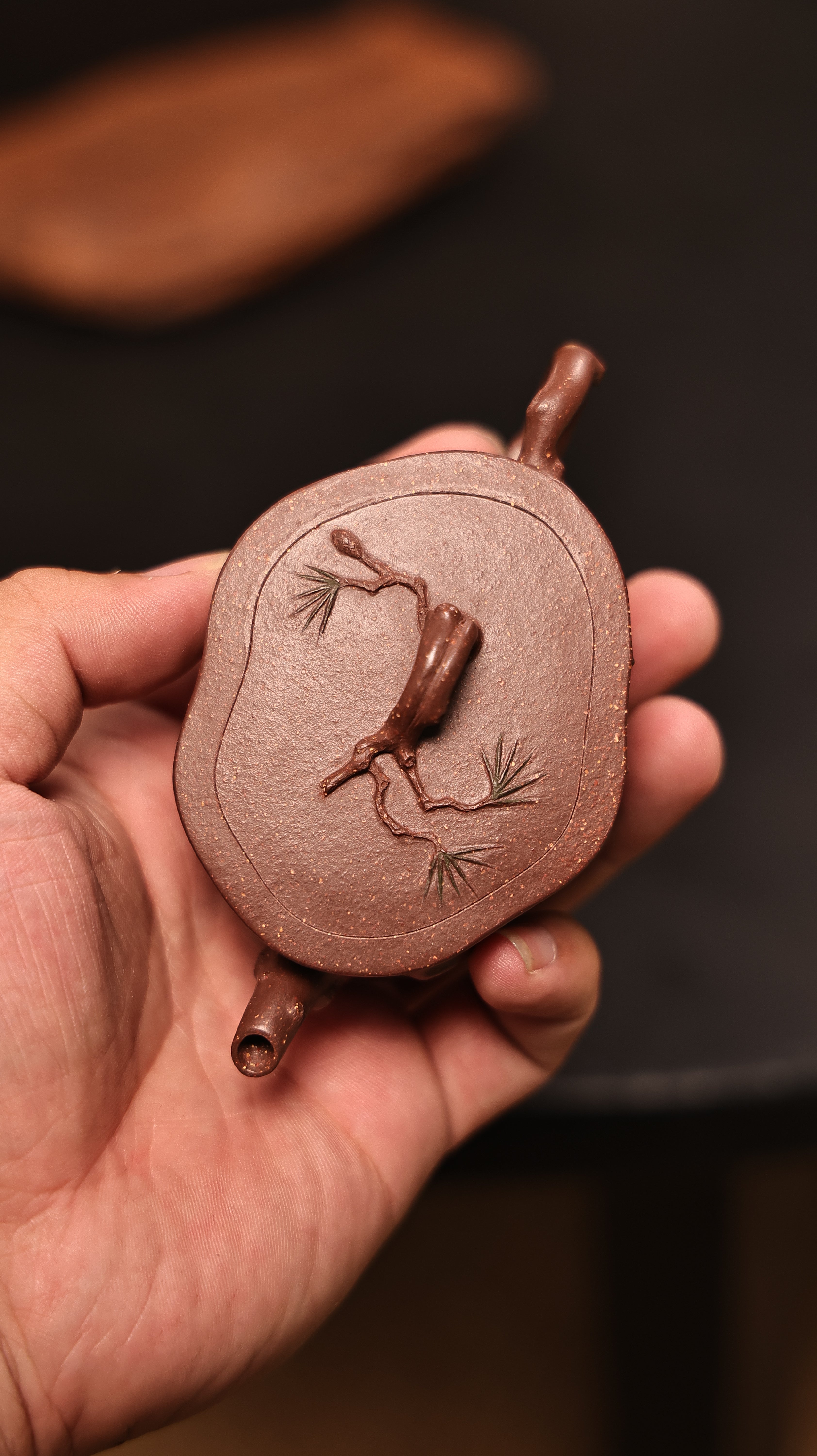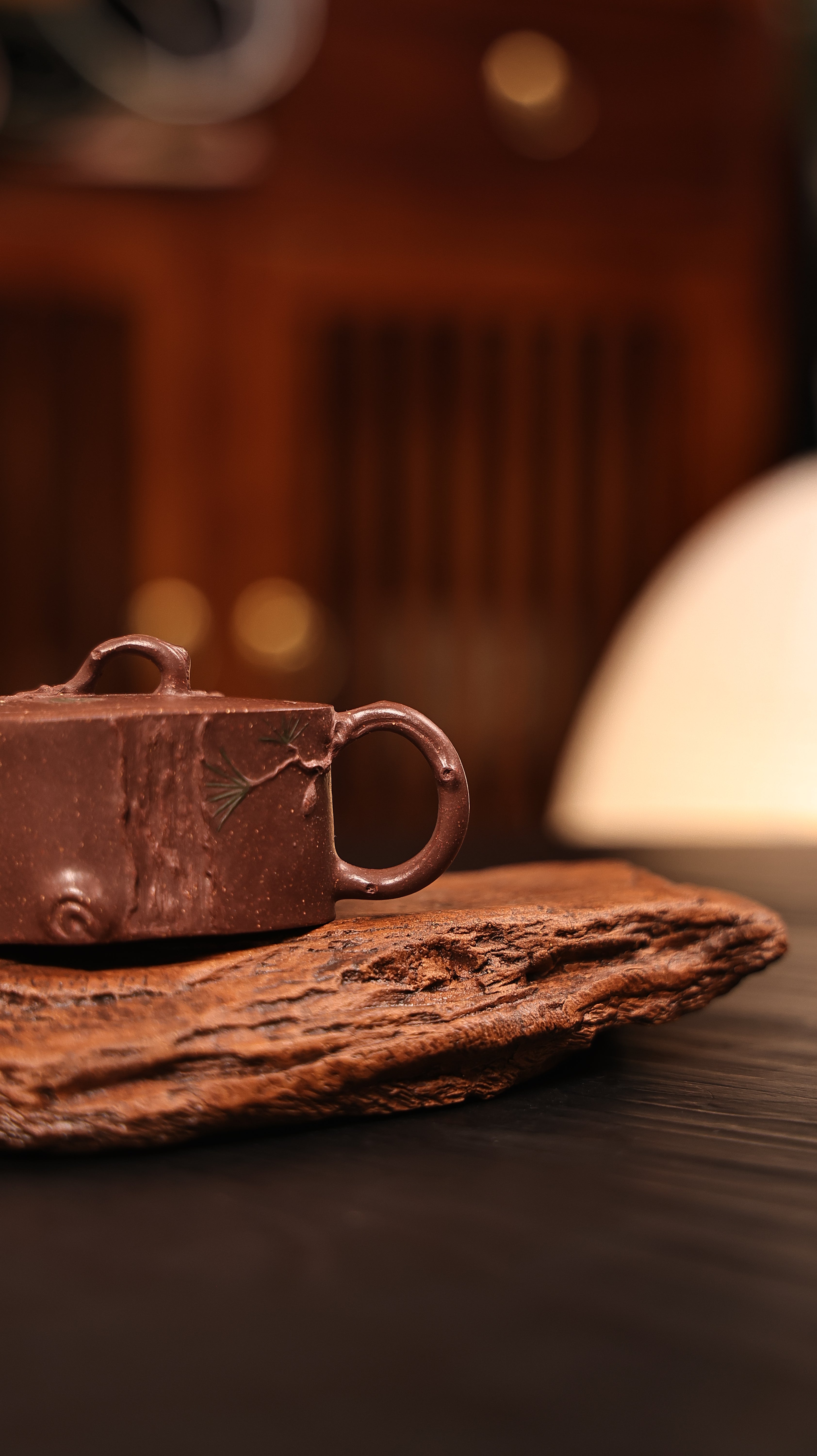
Ages in aficionados have craved the uncommon charm of Yixing Zisha kettles. Hailing in the scenic town of Yixing, the nation, these vessels are produced from a peculiar and quarried purple clay famous for its superior thermal traits and aptitude to augment the bouquet of liquids. Exceeding their effective benefit, Zisha teapots express a vast heritage inheritance, turning them immensely collectible and a true treasure for any dedicated teapot connoisseur.
Surveying Yixing Kettles
Historical teapots demonstrate a unusual blend of history and artisan craftsmanship. Developing in Yixing, Jiangsu Locale of China, their narrative begins from the Ming Dynasty, although documentation suggest earlier iterations. The unique burgundy clay, called Zisha, found particularly in the Yixing region, is the integral component, contributing to the pots' exceptional heat retention and the manner they enhance the profile of tea. Periods of potters have perfected techniques—often relayed through families—including molding the clay, applying intricate embellishments, and firing the pots at deliberate temperatures.- At first, Yixing teapots were often embellished with simple designs.
- Later, more refined carvings and representative motifs became popular.
- The kiln firing itself is a indispensable element, requiring lengthy phases of knowledge.
Curating Zisha Teapots: Vital Factors
Undertaking a search to assemble Zisha pots can be profitable, but it’s necessary to understand what to seek. Authenticity is paramount; focus on the component’s natural shade, a subtle reddish-brown is standard. Examine the structure; genuine Zisha has a special tactile sensation, often noted as slightly unequal. The shape should be harmonious and consistent with antique styles, while maker’s marks, if present, require scrupulous examination for authenticity. Don’t resist to consult with experienced dealers or credible sources – their expertise is irreplaceable.
Renowned Vessels: Investigating the History of Yixing Zisha Clay
Epochs have seen Yixing Ming Clay teapots preserve a unique role in Chinese history. These artfully designed pots, sourced uniquely from the zone of Yixing, are distinguished for their distinctive color, consistency, and their ability to boost the scent of potions. Legions of collectors acquire antique Yixing teapots, valuing them greatly not only for their aesthetic beauty, but also for the background they reflect.
Yixing Zisha Teapots: A Top Kinds and Their Attributes
Yixing Pottery teapots, sourced from the authentic district of Yixing, the country, are esteemed for their singular clay and excellent brewing powers. Amongst the several Zisha types, the kinds that are highly valued include Qingtian. Binzhou, known for its strong purple shade and sleek texture, delivers a moderate flavor. Duan Ni species, recognizable by its auburn color and a little grainy feel, is said to enhance tea’s substance. Lastly, Zhuni form boasts an unique carmine tone and can give a pleasant nuance. Each breed supplies a varied experience, allowing them very desirable regarding concoction enthusiasts.
Conquering A Yixing Jar
To access the beauty of your Yixing teapot, familiarizing oneself with the correct system is vital. These clay receptacles, celebrated for their passability, will steadily absorb the quality of the tea you make within them. Begin by rinsing the urn thoroughly with heated water. Then, use only high-quality unpacked leaf tea, as lower quality options can degrade the vessel’s delicate qualities. Always permit the leaves to expand completely, and remember that with each preparation, your Yixing kettle will become continuously special.
Protecting Your Invaluable Zisha Artifact
Proper upkeep for your Zisha Teapot Zisha vessel is imperative to protecting its integrity and importance. Zisha clay, respected for its unique shade and texture, requires attentive handling. Never use abrasive agents, as these can harm the coating. After every action, rinse the vessel with gentle warm water and allow it to ventilate completely.
- Sidestep soaking the kettle for extended stretches.
- Occasionally use a soft piece of cloth to refresh the exterior.
- Explore applying a thin layer of food-grade ointment inside the teapot after drying, which can lessen staining.
Fundamentals of Yixing Pitchers
Yixing teapots, originating from the Yixing territory in Jiangsu Province, in the People's Republic, are celebrated for their distinctive characteristics. Created from the unique purple substance known as Zisha, these vessels are prized by tea enthusiasts worldwide. This overview will succinctly explain the nuts and bolts – covering varieties of Zisha earth, well-liked shapes, and fundamental care suggestions. Understanding the genesis of Yixing clay pots can broaden your appreciation for this revered example of Mandarin culture.
Skill of Mandarin Pitchers: Showcasing Zisha originating in the Yixing area
Zisha soil from Yixing locality represents the peak of Chinese pot design, boasting a special fusion of unprocessed beauty and effective artistry. These famous pieces are esteemed for their saturated tints, often ranging from deep purples and rust hues to gentle greys and pale beiges. The particular mineral composition of the area’s Zisha ground imparts a signature texture and generates a satisfying aroma that elevates the total infusion experience, causing them extremely desired collectibles and vital components of any serious tea.