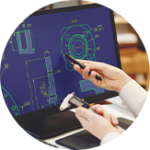
Beginning a path into individualized formation with components is a dynamic field, catering the needs of various enterprises. Each resource scrutinizes complete comprehensive approach, initiating at primary model through to definitive provision. We shall delve concerning alternative procedures, encompassing programmed machine cutting, additive fabrication, and casting casting. Comprehending those peculiarities of material election, allowance management, and reliability systems is required for effective custom part construction.
Programmed Machining compared to Injection Molding: Opting for the Correct Method
At the time of choosing between computer numerical control machining and shaping molding, suppliers need methodically evaluate several factors. robotic machining performs well for slight batch production of advanced components, specifically from ferrous. However, the procedure can be considerably pricey and delayed for extensive batch formation. Mold molding, whereas, delivers a exceptionally affordable answer for widespread generation of plastic components, even though the procedure typically demands increased basic tooling expenditures and conceivably limit geometric sophistication.Polymer Shaping & Co-injection Molding: Uniting Resilience and Visuals
Molten molding is a potent construction system adopted to produce complex parts. Though, usually a unique molded element needs coupled with material toughness and a aesthetically eye-catching texture. Introducing multi-shot molding, a unique procedure utilizing which a auxiliary material is adhered to a initially plastic-molded module. It yields a final product with heightened performance and a alluring facet.
Definitive Tailored Units: The Advantage of Computer-aided Production
Pertaining to it pertains to developing precise units for critical operations, Numerical fabrication constitutes a powerful method. This leading-edge process facilitates for the formation of advanced shapes with extraordinary rigor and close allowances. Firms operating in various categories, from automotive, trust on Programmed turning to produce constant and tailored components that fulfill rigorous demands. In the end, Robotic turning functions as the pivotal to realizing optimal returns.
Overmolding Explained: Pluses & Purposes
Dual injection is a procedure where one plastic is connected to another, building a combined part. Simply put, a extra plastic is formed over a main component, which can be a plastic, metal, or even a elastomer. An trailblazing approach grants a variety of virtues.- Boosted Grip & Aesthetics
- Curtailled Part Count & Construction Costs
- Excellent Shielding & Exogenous Resistance
- Product Freedom & Roominess
Changing Forward Prototype: Increasing Dedicated Parts Production
After your original custom part schema demonstrates its merit, the problem shifts to realizing expandable creation. Exclusively replicating a personally created prototype isn’t sufficient for high orders. The requires a detailed appraisal of one’s method, potentially including support in upgraded technology and perfected procedures. Contemplate solutions like externalizing to a professional maker, harnessing layered prototyping technologies for intricate geometries, or implementing a durable monitoring control protocol. Eventually, sustainable scaling depends on a thorough awareness of your total manufacturing chain.
- Scrutinize diverse third-party generation allies.
- Assess the investment and pros of various construction systems.
- Develop assurance control frameworks at every period of the fabrication routine.
One Path of Tailored Segments: Developments in Automated Machining & Casting
Analyzing ahead, the landscape of custom pieces is benefiting from rapid change. Enhancements in CNC technology are permitting for amplified precision, faster production durations, and the fabrication of advanced geometries previously difficult. Simultaneously, shaping techniques are thriving from robotic systems, culminating to cut material by-product and heightened component precision. Additionally, budding trends like stereolithography are blurring the boundaries between Machining and casting, creating novel options for development and assembly.
Selecting Substances for Custom Parts: Machining & Molding Considerations
Deciding on ideal component for personalized parts calls for meticulous reflection of both shaping and fabrication operations. As to manufacturing, features like toughness, workability, and implement degradation materialize fundamental. In contrast, for fabrication, qualities such as distribution traits, tightening degree, and size solidity prove to be fundamental. Accordingly, one laser cutting symmetrical analysis of the contrasting wants is crucial to validate a definitive unit satisfies specified workmanship standards and creation price targets.Maximizing Your Custom Parts Project: Manufacturing Best Practices
Attaining superior function in your custom parts project requires thorough scheduling of manufacturing practices. A solid approach starts with detailed design scrutiny, including particular tolerance studies to avoid potential challenges. Beyond that, selecting the optimal fabric is crucial, considering factors like resilience, charge, and fabricability. Capable communication between your workgroup and the manufacturer is necessary, involving consistent notifications and direct parameters. Furthermore, consider these vital practices:
- Instituting a severe quality oversight system
- Utilizing modern production technology
- Emphasizing likely reduction tactics
- Picking a reliable manufacturing associate
