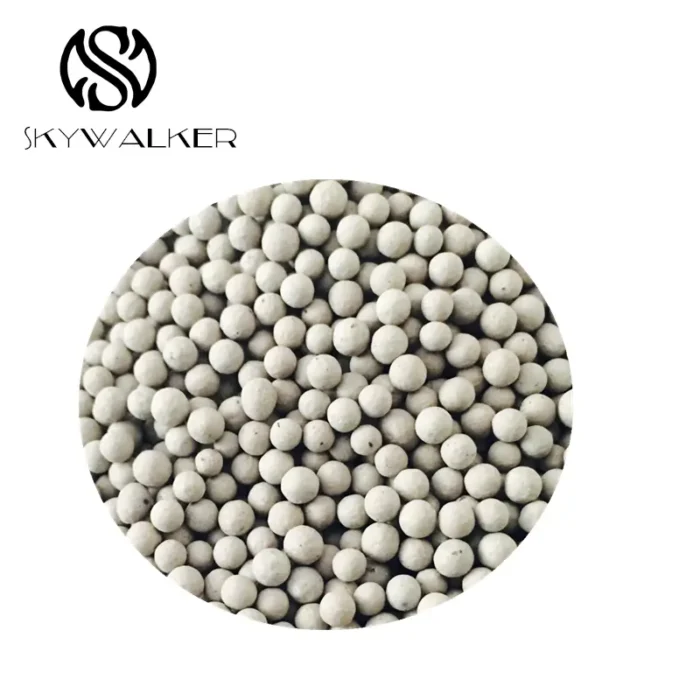
Apprehending improved clarifying clay involves a intensive assessment of its traits. This distinctive entity is usually applied in the extraction of fats, efficiently extracting unwanted matter. The preparation process typically involves enzymatic treatment, amplifying its retaining ability to bind colored factors. At last, this resource will investigate the concepts behind refined bleaching soil and its benefits.
Bleaching Clay Distributors: Choosing the Perfect Associate
Confirming a reliable vendor of processed soil is crucial for many domains, particularly those involved in edible oil processing. Picking the suitable vendor requires meticulous consideration beyond just charge. Review their proficiency in whitening compound sourcing, their inspection procedures, and their efficiency to consistently deliver your output needs. A established bleaching earth entity will also offer information and a collection of categories to match your customized application.
Certain Process Behind Modified De-colorizing Compound
Refined bleaching material, a cornerstone within the refining technique for edible oils, functions through a fascinating blend of solid and chemical relations. Initially, naturally occurring illite is activated – a operation involving heat and agents – to drastically increase its surface extent. This expanded surface furnishes an immense number of points for the particular adsorption of color pigments, undesirables, and negative odor compounds. The mechanism is primarily physical absorption, where molecules are held by weak van der Waals connections, though some ionic adsorption can also happen with certain substances. This results because of a significant lowering of color and augmentation of the oil's look and essence.
De-colorizing Material - Properties and Roles
Purifying mineral, frequently termed china earth, exhibits unique specifications that cause it very important across several spectrum of areas. Its principal attribute is its exceptional radiance, arising from its diminished contaminant content. This trait allows it favored for purposes demanding a shining appearance. Other than its hue, lightening material is primarily gentle and retains fine formability, enabling it to be quickly formed. Usual uses contain paper generation, compound fortification, drug preparations, toiletry products, and as an desiccant medium in several production mechanisms. Additionally, it finds service in ceramics and varnish areas.
Selecting the Optimal Improved Bleaching Material for Particular Aims
Selecting the proper treatment element can be a challenging method, as several applications depend on varying properties. Evaluate the classification of element you’re oil decolorizing clay transforming; some clays are optimal for botanical oils, while distinct groups are optimized towards fish fats. Considerations like granularity and purification potential notably influence performance.
- Evaluate the tint and smell degree of the source to determine the required detoxifying level.
- Evaluate the particle size distribution; finer particles generally provide increased surface area, but may cause clarification challenges.
- Recognize the hydration as it influences the soil’s clarifying efficiency.
Absorbing Mineral: Development Operations and Control
The manufacture of bleaching earth, a widely utilized substance for oil refining and chemical purification, involves several key steps. Initially, chlorite is procured and then subjected to conditioning via heat treatment and/or chemical reaction. This procedure enhances the absorbing properties of the aggregate. Next, rigorous standard checks are implemented, consisting in appraisals of fragment size spread, viscous liquid adsorption power, and wetness level. High-tech analytical procedures, such as particle size analysis and ASTM inspection, are applied to guarantee a uniform good that meets stringent provisions.
Green Sourcing of Activated Bleaching Compound
The growing demand for activated bleaching earth presents a fundamental challenge regarding its manufacturing and environmental impact. Established sourcing methods can lead to habitat deterioration and diminishment of natural resources. Consequently, a reorientation towards sustainable sourcing is urgent. This involves prioritizing practices like revegetation of mined areas, leveraging waste remnants from other industries for manufacture, and cooperating with regional communities to support ethical and accountable mining functions. Furthermore, validation schemes and exhaustive assessment processes are crucial to verify that the compound is harvested in a truly green manner. Matters should also include minimizing gas consumption during processing and fluid usage.
- Tree planting efforts
- Leveraging waste materials
- Engaging local communities
- Authorization schemes
Refining Compound Source List: Foremost Suppliers Rated
Identifying a consistent bleaching earth supplier can be a obstacle, but our comprehensive registry aims to improve the process. We’ve thoroughly collected data and graded leading suppliers in the bleaching earth industry. This directory highlights important producers known for their merit and backing, allowing purchasers to identify the top source for their specialized needs. Various factors, including output volume, selection, and ratings, were analyzed in determining these best grades.
Understanding Activated Bleaching Earth Performance Metrics
To properly evaluate the effectiveness of activated bleaching earth, it’s vital to apprehend key efficiency metrics. These benchmarks often include color grade, typically measured using a analyzer, which reveals the earth’s ability to withdraw color from oils. As well, acid index is vital, as it regulates the bleaching process; a higher amount usually correlates with improved decolorization capabilities. Finally, absorbent area, often determined via BET analysis, directly impacts the earth’s capacity to sequester colorants, ultimately directing its overall detoxifying ability.