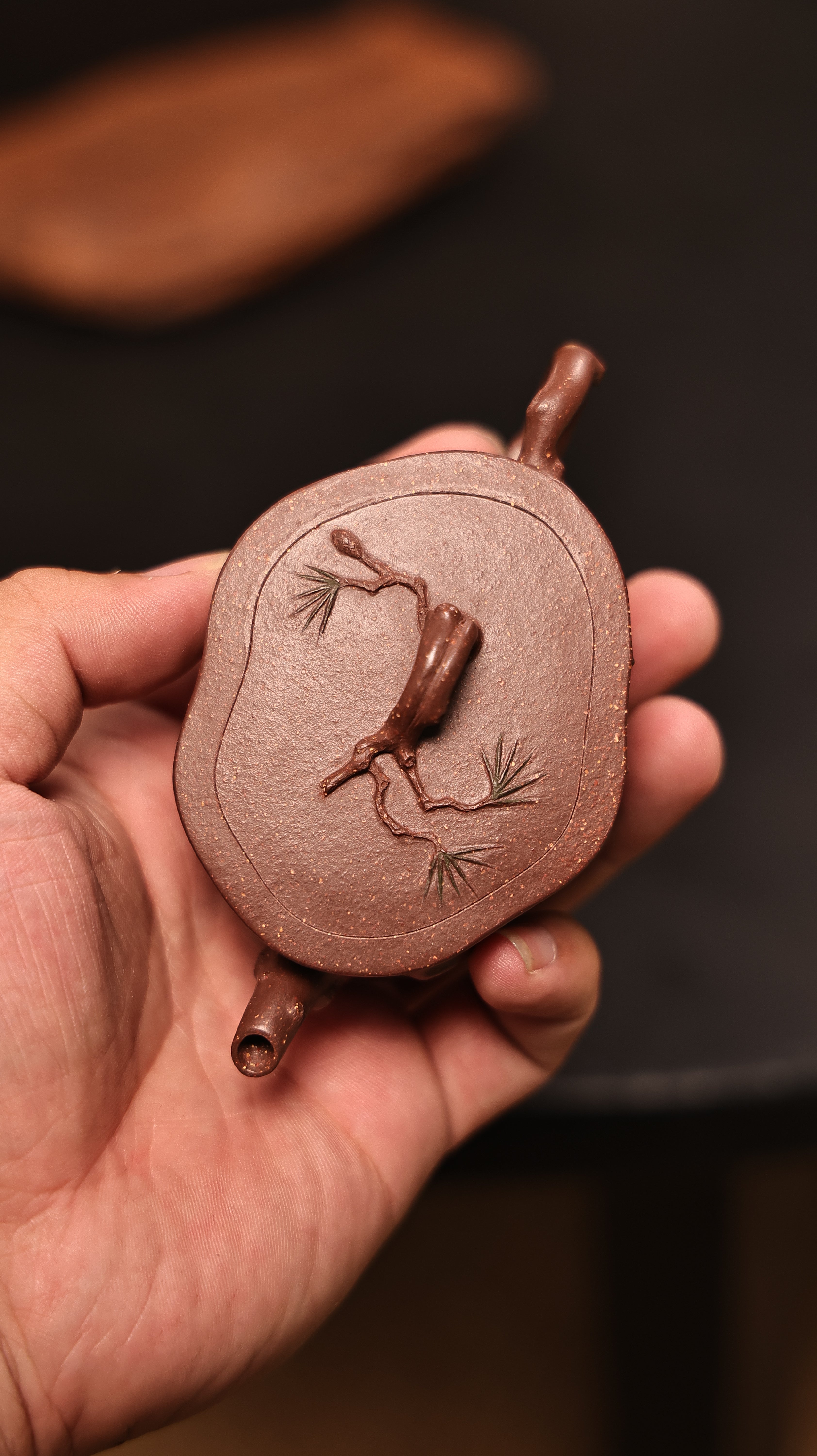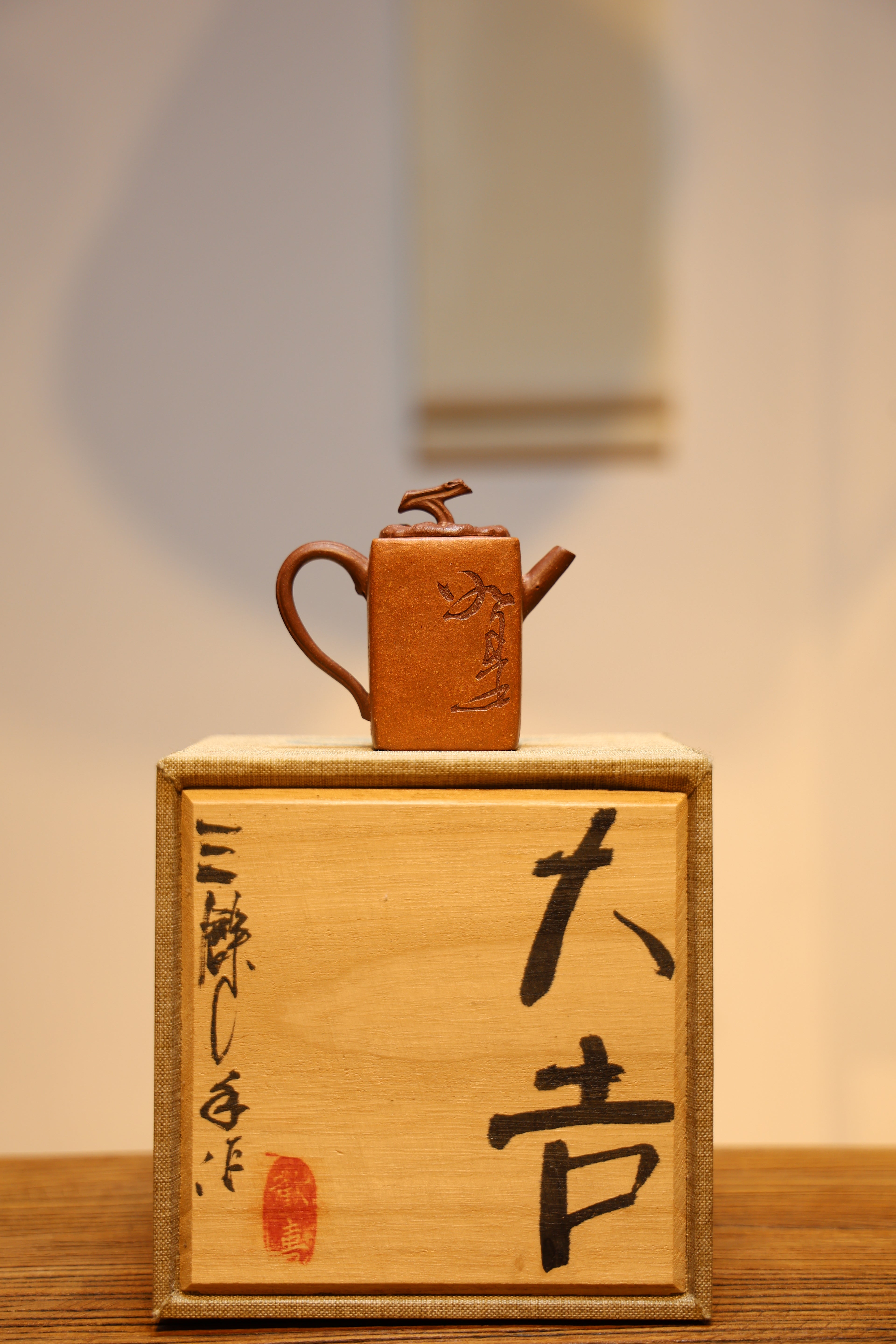
Times in aficionados have sought the exclusive allure of Yixing Zisha containers. Hailing in the quaint town of Yixing, the territory, these urns are constructed from a infrequent and quarried purple clay celebrated for its outstanding thermal properties and facility to amplify the savor of beverages. Aside from their practical significance, Zisha teapots illustrate a vast heritage inheritance, making them considerably collectible and a undisputed wonder for any passionate teapot collector.
Exploring Yixing Vessels
Such teapots exhibit a remarkable combination of history and artisan craftsmanship. Founded in Yixing, Jiangsu Locale of China, their narrative extends to the Ming Dynasty, although proof suggest earlier forms. The exceptional reddish-brown clay, called Zisha, found merely in the Yixing region, is the key component, contributing to the pots' exceptional heat holding and the manner they enhance the taste of tea. Continuums of potters have enhanced techniques—often passed down through families—including crafting the clay, applying intricate embellishments, and firing the pots at consistent temperatures.- Historically, Yixing teapots were often ornamented with simple designs.
- Thereafter, more detailed carvings and figurative motifs became favored.
- The thermal curing itself is a crucial element, requiring extended spans of skill.
Acquiring Zisha Teapots: Necessary Factors
Initiating a campaign to procure Zisha containers can be rewarding, but it’s necessary to learn what to copyrightine. Authenticity is fundamental; focus on the earth’s natural tinge, a subtle reddish-brown is characteristic. copyrightine the consistency; genuine Zisha has a unique tactile sensation, often characterized as slightly bumpy. The shape should be appealing and consistent with established styles, while signatures, if present, require meticulous copyrightination for accuracy. Don’t hesitate to consult with seasoned specialists or respected sources – their expertise is irreplaceable.
Oriental Pots: Delving into the Legacy of original Purple Ware
Millennia have seen Yixing Zisha teapots occupy a important role in Chinese legacy. These beautifully crafted pots, sourced primarily from the locality of Yixing, are well-known for their peculiar pigmentation, composition, and their ability to heighten the aroma of brews. Several collectors pursue antique Yixing teapots, appreciating them deeply not only for their aesthetic attractiveness, but also for the records they stand for.
Yixing Zisha Teapots: Distinguished Choice Selections and Their Aspects
Yixing Ceramics teapots, developed in the celebrated section of Yixing, the land, are renowned for their exceptional clay and high-quality brewing features. Throughout the diverse Zisha types, those categories that are highly prized include Binzhou Purple Sand. Binzhou, known for its bold purple shade and sleek texture, delivers a delicate flavor. Duan Ni form, recognizable by its coppery color and fairly grainy feel, is assumed to enhance the weight. Lastly, Zhuni Zisha boasts an peculiar vermilion tone and can provide a pleasant nuance. Each breed yields a special experience, causing them highly desirable towards infusion enthusiasts.
Achieving Your Ceramic Pot
To unleash the virtue of your Yixing container, grasping the correct modus operandi is indispensable. These clay vessels, celebrated for their porosity, will continually develop the essence of the tea you cook within them. Begin by cleaning the jar thoroughly with boiling water. Then, use only premium unpacked leaf tea, as lower quality options can affect the pot’s delicate notes. Always allow the leaves to grow completely, and remember that with each session, your Yixing jar will become progressively refined.
Caring for Your Valuable Zisha Item
Proper maintenance for your Zisha pitcher is critical to securing its character and esteem. Zisha clay, known for its unique cast and composition, requires attentive handling. Never use abrasive agents, as these can undermine the glaze. After every utilization, rinse the kettle with comfortably warm water and allow it to air out completely.
- Shun soaking the jar for extended intervals.
- Periodically use a soft piece of cloth to clean the exterior.
- Evaluate applying a thin layer of food-grade oil inside the vessel after drying, which can diminish staining.
Basics of Yixing Clay Pots
Yixing containers, originating from the Yixing province in Jiangsu Province, located in China, are celebrated for their distinctive properties. Fabricated from the unique purple earth known as Zisha, these earthenware are prized by liquid enthusiasts worldwide. This digest will neatly explain the basics – covering types of Zisha clay, common shapes, and important care advice. Understanding the origin of Yixing vessels can broaden your appreciation for this acclaimed copyrightple of Mandarin heritage.
Skill of Han Pitchers: Showcasing Zisha from Yixing City
Zisha ware from the Yixing district represents the apex of Oriental pitcher design, demonstrating a uncommon blend of earthy beauty and practical artistry. These exceptional pieces are famed for their vibrant hues, often covering rich purples and auburn hues to muted greys and soft beiges. The distinctive mineral composition of the native Zisha material imparts a signature texture and generates a satisfying aroma that elevates the complete brew experience, making them highly wished-for collectibles and integral components of any serious custom.