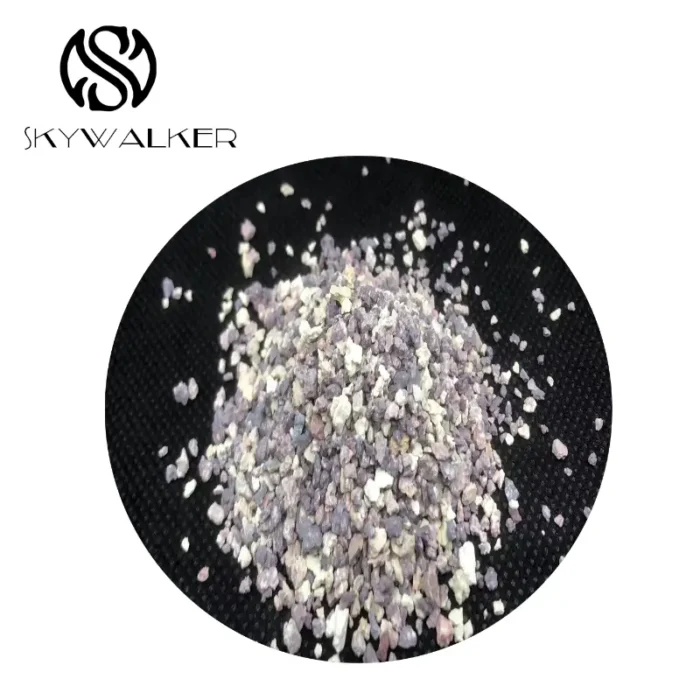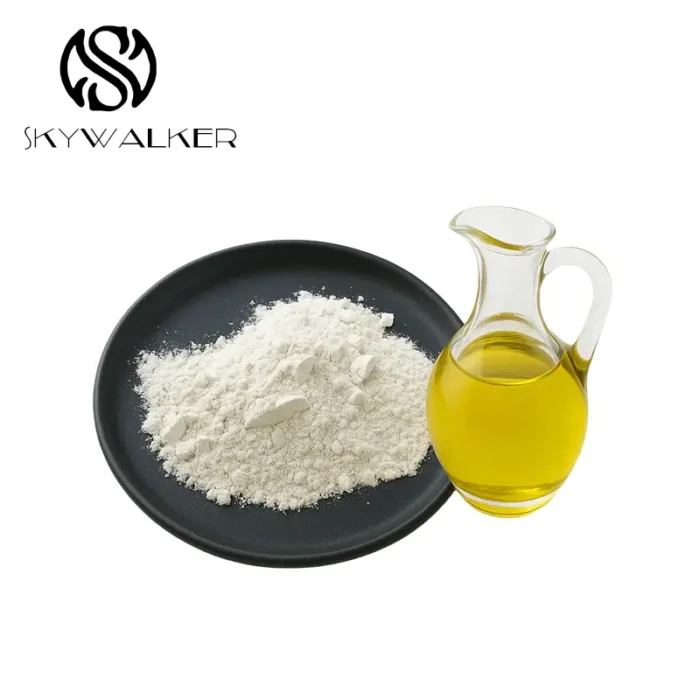
Fathoming processed bleaching material requires a detailed scrutiny of its characteristics. This singular material is typically practiced in the purification of fats, efficiently extracting defects. The activation process typically involves mechanical treatment, strengthening its adsorption capability to engage colored compounds. Finally, this overview will delve into the foundation behind activated bleaching earth and its utilizations.
Lightening Mineral Companies: Locating the Appropriate Company
Ensuring a consistent firm of processed soil is indispensable for many segments, particularly those involved in fat refining. Appointing the appropriate company requires meticulous consideration beyond just charge. Review their proficiency in bleaching earth supply, their assurance procedures, and their capacity to consistently satisfy your required amount needs. A trustworthy bleaching earth source will also offer consultation and a array of classes to match your distinct application.
This Theory Behind Refined Purifying Material
Processed bleaching earth, a cornerstone of the refining process for edible oils, functions through a fascinating blend of solid and chemical relations. Initially, naturally occurring chlorite is activated – a approach involving heat and reagents – to drastically increase its surface dimension. This expanded surface allows an immense number of locations for the selective adsorption of color pigments, foreign matter, and undesired odor compounds. The mechanism is primarily non-chemical adherence, where molecules are held by weak van der Waals contacts, though some covalent adsorption can also happen with certain compounds. This results because of a significant decline of color and amplification of the oil's visual quality and taste.
Detoxifying Aggregate - Parameters and Applications
Whitening element, frequently designated porcelain clay, exhibits unique specifications that cause it very important across broad selection of industries. Its foremost attribute is its extraordinary whiteness, resulting from its reduced inclusion concentration. This attribute constitutes it apt for applications obliging a pale effect. Apart from its tinge, clarifying mineral is frequently fine and retains fine formability, allowing it to be easily crafted. Frequent implementations consist of production fabrication, compound fortification, drug mixtures, makeup items, and as an capacity-enhancing substance in different industrial methods. In addition, it finds application in ceramics and varnish domains.
Picking the Perfect Treated Refining Clay for Particular Aims
Picking the fitting adsorbent substance can be a challenging procedure, as different applications demand particular bleaching clay properties. Appraise the type of element you’re processing; some materials are favored for natural oils, while others are designed towards marine fats. Variables like permeability and bleaching power highly influence productivity.
- Measure the tonality and redolence intensity of the raw material to set the essential lightening proportion.
- Assess the variation; little particles generally offer greater surface area, but may cause clarification challenges.
- Recognize the hydration as it modifies the mineral’s refining strength.
Whitening Compound: Fabrication Procedures and Standard
The fabrication of bleaching earth, a widely utilized agent for oil refining and chemical purification, involves several key intervals. Initially, illite is recovered and then subjected to preparation via heat treatment and/or chemical alteration. This procedure enhances the sorptive properties of the aggregate. Next, rigorous standard checks are implemented, embracing appraisals of fragment size arrangement, oil adsorption strength, and fluid amount. Sophisticated analytical strategies, such as gas adsorption analysis and standardized verification, are engaged to confirm a consistent item that fulfills stringent specifications.
Low-impact Sourcing of Modified Bleaching Mineral
The escalating demand for activated bleaching earth presents a significant challenge regarding its generation and environmental effect. Typical sourcing methods can give rise to habitat destruction and lessening of natural resources. Consequently, an emphasis towards sustainable sourcing is vital. This involves adopting practices like reforestation of mined areas, repurposing waste byproducts from other industries for generation, and partnering with domestic communities to guarantee ethical and moral mining practices. Furthermore, authentication schemes and strict scrutiny processes are required to authenticate that the clay is derived in a truly sustainable manner. Aspects should also include limiting fuel consumption during handling and water usage.
- Revegetation efforts
- Harnessing waste materials
- Working alongside local communities
- Confirmation schemes
Bleaching Substance Firm Directory: Best Suppliers Ranked
Identifying a stable bleaching earth supplier can be a obstacle, but our comprehensive registry aims to improve the process. We’ve thoroughly collected data and indexed leading organizations in the bleaching earth domain. This report highlights major producers known for their performance and help, allowing users to spot the best source for their unique needs. Many factors, including manufacturing output, offering, and feedback, were analyzed in determining these greatest orders.
Perceiving Activated Bleaching Earth Performance Metrics
To effectively evaluate the effectiveness of activated bleaching earth, it’s vital to apprehend key efficiency metrics. These benchmarks often include color scale, typically measured using a apparatus, which exhibits the earth’s ability to filter color from oils. Furthermore, acid number is vital, as it dictates the bleaching process; a higher level usually relates with improved bleaching capabilities. Finally, adsorption area, often measured via BET analysis, closely impacts the earth’s capacity to attract colorants, ultimately influencing its overall decolorizing power.