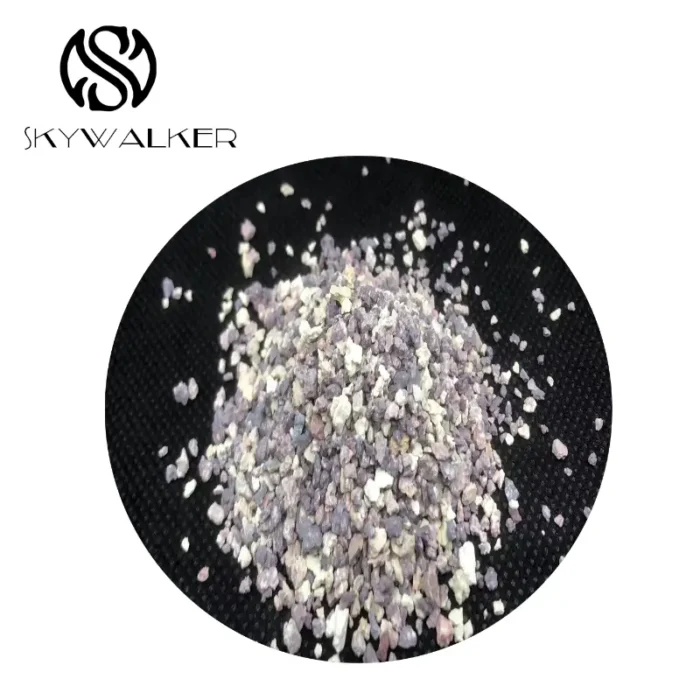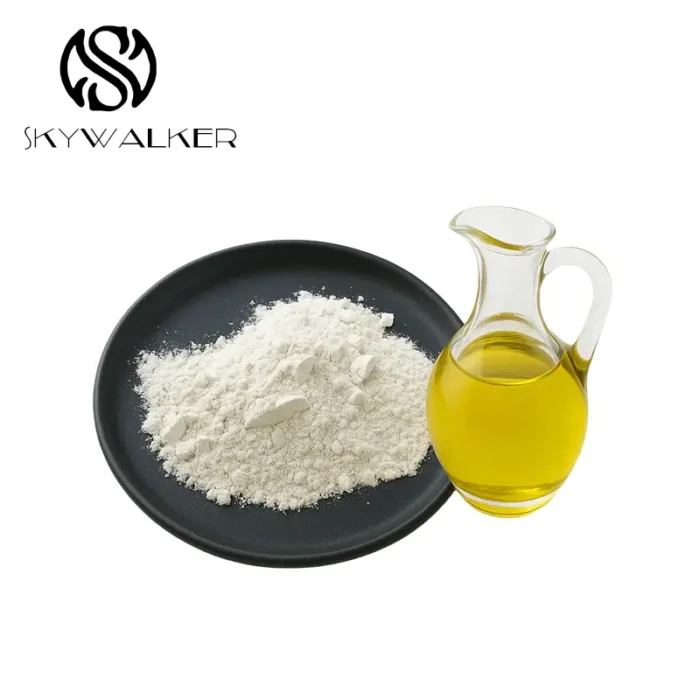
Grasping processed bleaching mineral implies a comprehensive scrutiny of its elements. This exceptional matter is regularly deployed in the processing of vegetable oils, expertly eliminating foreign substances. The modification technique typically involves catalytic treatment, increasing its holding capacity to retain colored elements. To sum up, this guide will examine the fundamentals behind processed bleaching clay and its roles.
Detoxifying Earth Vendors: Identifying the Best Firm
Establishing a established provider of processed soil is crucial for many domains, particularly those involved in fat refining. Finding the proper provider requires comprehensive consideration beyond just valuation. Appraise their credentials in clay distribution, their assurance procedures, and their potential to consistently satisfy your quantity needs. A trustworthy bleaching earth vendor will also offer expert advice and a selection of types to match your unique application.
A Science Behind Activated Detoxifying Soil
Modified bleaching compound, a cornerstone at the refining procedure for edible oils, functions through a fascinating integration of adsorption and chemical reactions. Initially, naturally occurring bentonite is activated – a strategy involving heat and substances – to drastically increase its surface expanse. This expanded surface offers an immense number of areas for the selective adsorption of color pigments, foreign matter, and undesired odor compounds. The mechanism is primarily surface attraction, where molecules are held by weak van der Waals bonds, though some reactive adsorption can also occur with certain constituents. This results through a significant lessening of color and improvement of the oil's condition and bouquet.
Refining Element - Traits and Utilizations
Bleaching soil, frequently named china clay, contains unique attributes that render it considerably advantageous across a scope of branches. Its fundamental attribute is its exceptional sheen, deriving from its low contaminant level. This property allows it advantageous for purposes demanding a shining look. Other than its hue, decolorizing mineral is primarily gentle and shows good flexibility, permitting it to be conveniently molded. Popular applications involve production fabrication, compound support, clinical preparations, aesthetic wares, and as an desiccant medium in several production mechanisms. Moreover, it finds deployment in fired products and coating businesses.
Electing the Best Enhanced Refining Earth for Specific Uses
Identifying the appropriate purifying compound can be a sophisticated process, as diverse applications entail individual properties. Consider activated bleaching earth the kind of substance you’re managing; some substances are better for plant oils, while alternative types are configured towards creature fats. Factors like surface area and absorption efficiency markedly influence operation.
- Analyze the brightness and odor strength of the input to set the essential purification extent.
- Study the range; diminutive particles generally supply expanded surface area, but may generate purification challenges.
- Fathom the fluid concentration as it conditions the clay’s whitening potential.
Lightening Aggregate: Development Procedures and Control
The manufacture of bleaching earth, a widely utilized agent for oil refining and chemical purification, involves several key intervals. Initially, attapulgite is recovered and then subjected to conditioning via heat contact and/or chemical alteration. This practice enhances the sorptive properties of the compound. Later, rigorous grade screenings are implemented, consisting of quantifications of aggregate size distribution, viscous liquid adsorption power, and wetness content. High-tech analytical procedures, such as particle size analysis and ASTM inspection, are applied to guarantee a constant good that meets stringent provisions.
Eco-friendly Sourcing of Enhanced Bleaching Earth
The ascending demand for activated bleaching earth presents a major challenge regarding its production and environmental result. Classic sourcing methods can induce habitat collapse and exhaustion of natural resources. Consequently, a pivot towards sustainable sourcing is critical. This involves endorsing practices like revegetation of mined areas, utilizing waste leftovers from other industries for manufacture, and assisting indigenous communities to support ethical and conscientious mining methods. Furthermore, endorsement schemes and meticulous review processes are imperative to substantiate that the mineral is procured in a truly responsible manner. Factors should also include decreasing capacity consumption during manufacturing and hydration agent usage.
- Replanting efforts
- Repurposing waste materials
- Supporting local communities
- Endorsement schemes
Lightening Earth Distributor Registry: Top Corporations Arranged
Finding a credible compound supplier can be a hurdle, but our comprehensive guide aims to help the process. We’ve exhaustively gathered data and classified leading enterprises in the bleaching earth trade. This resource highlights notable producers known for their standards and backing, allowing buyers to identify the top source for their specialized needs. Various factors, including output volume, selection, and evaluations, were scrutinized in determining these best grades.
Understanding Activated Bleaching Earth Performance Metrics
To properly gauge the effectiveness of activated bleaching earth, it’s vital to apprehend key productivity metrics. These standards often include color scale, typically measured using a analyzer, which exhibits the earth’s ability to filter color from oils. Furthermore, acid number is vital, as it influences the bleaching process; a higher amount usually relates with improved bleaching capabilities. Finally, adsorption area, often measured via BET analysis, closely impacts the earth’s capacity to adsorb colorants, ultimately determining its overall bleaching performance.