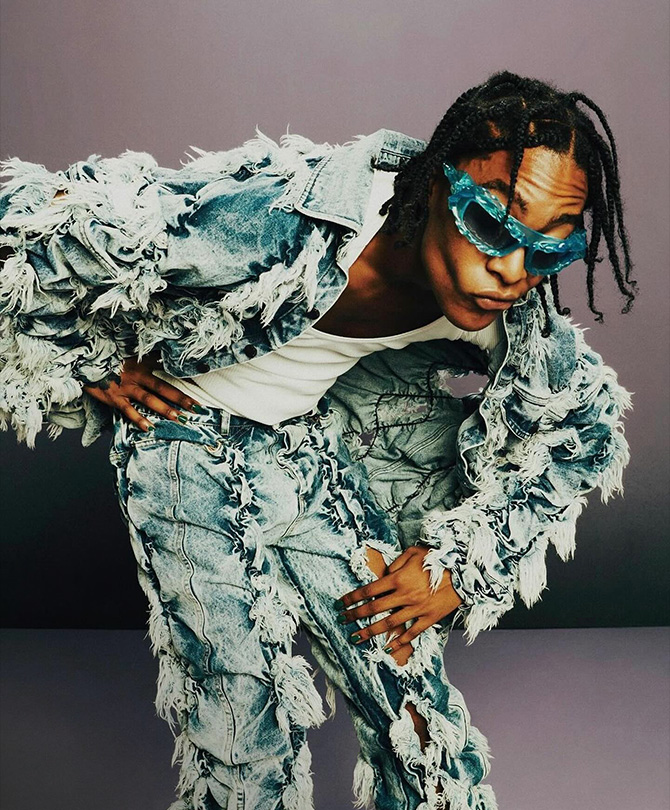
How Streetwear Brands Build Custom Varsity Jackets With Patches, Embroidery, and Cultural Details
Streetwear consumers may not talk about shrinkage, fabric GSM, or pattern grading. But they can feel when a varsity jacket looks flat, when an embroidery patch sits wrong, or when the silhouette feels more like a corporate uniform than a cultural statement. For decades, the varsity jacket has been a canvas for subcultures—from college campuses to hip-hop stages, and now to the center of premium streetwear. Yet, as the market shifts from basic printed merchandise to heavily constructed, technique-driven garments, the gap between a strong design concept and a successful production run has never been wider.
Today’s independent brands with real traction are realizing that a brilliant tech pack is only the beginning. The aesthetic demands of modern streetwear—whether it is Y2K nostalgia, vintage sports revival, or high-end luxury streetwear—require a manufacturing approach that understands cultural nuance as well as technical execution. It is no longer just about finding a supplier who can sew sleeves onto a body. It is about finding a specialized streetwear factory capable of executing complex mixed-media decorations, balancing heavyweight fabrics, and ensuring that the final bulk production retains the exact soul of the original sample. This shift is forcing product development teams to rethink how they approach custom streetwear manufacturing.
Why is the varsity jacket considered one of the most complex streetwear products to manufacture?
The varsity jacket is highly complex because it requires balancing mixed heavy materials (like wool bodies and leather sleeves), managing multi-technique decorations (chenille patches, direct embroidery, appliqué), and maintaining structural integrity across all sizes without losing the intended cultural silhouette.
On paper, a varsity jacket might seem like a standard outerwear piece. In reality, it is a collision of different manufacturing disciplines. Most standard apparel factories are set up to handle uniform fabrics—they excel at cutting and sewing single-material garments like t-shirts or basic hoodies. But a premium varsity jacket demands expertise in handling dense wool blends, genuine or high-grade vegan leather, heavy ribbed cuffs, and intricate inner linings.
When independent streetwear brands with established sales channels attempt to produce these jackets with generalist suppliers, the problems usually start at the material level. If the wool is too light, the jacket drapes poorly and lacks the structured, boxy fit that streetwear consumers expect. If the leather sleeves are too stiff, the garment becomes unwearable; if they are too thin, they wrinkle and lose their premium appeal. Furthermore, the ribbing at the cuffs and hem must have the exact right tension—too loose, and the jacket looks sloppy; too tight, and it ruins the layering potential over heavyweight hoodies.
Beyond the materials, the construction itself is a challenge. Sewing leather to wool requires specialized heavy-duty machines and precise tension control. If the tension is off, the seams will pucker, creating an amateurish look. The weight distribution of the garment must also be perfectly balanced. A heavy leather sleeve attached to a lighter wool body can cause the shoulders to droop unnaturally, ruining the silhouette. This is why established streetwear brands do not just look for a factory; they look for a streetwear manufacturing partner that understands the specific engineering required to build a garment that feels substantial, durable, and authentic to the culture.
How do cultural aesthetics like Y2K and vintage trends change manufacturing requirements?
Cultural aesthetics dictate specific manufacturing requirements: Y2K trends demand experimental fits, cropped silhouettes, and mixed textures, while vintage trends require advanced washing techniques, distressed finishes, and specific fabric hand-feels that replicate decades of natural wear.
Streetwear is not just another word for casual clothing; it is a visual language driven by cultural movements. When a brand designs a collection inspired by the 90s skate scene or early 2000s hip-hop, they are not just asking for a specific look—they are asking for a specific feel. This is where the intersection of culture and manufacturing becomes critical.
Consider the vintage trend. A brand wanting to release a retro-inspired varsity jacket cannot simply use brand-new, stiff fabrics and shiny hardware. The consumer expects the garment to feel lived-in. This requires the streetwear clothing manufacturer to utilize advanced washing and finishing techniques. The wool might need to be carefully treated to soften its texture without compromising its structural integrity. The leather sleeves might require subtle distressing or specific tumbling processes to achieve a worn-in patina. Even the hardware—snaps and zippers—must be treated to look aged rather than straight off the assembly line.
Similarly, Y2K aesthetics often play with exaggerated proportions and unconventional material mixes. A varsity jacket might feature an extreme cropped fit with elongated sleeves, or it might incorporate unexpected elements like rhinestone detailing alongside traditional chenille patches. These design choices push the boundaries of standard pattern making. A general apparel supplier might try to force these designs into standard grading rules, resulting in a garment that looks awkward. A specialized cut-and-sew streetwear factory, however, understands that the silhouette is the message. They will adjust the armholes, drop the shoulders, and tweak the hem tension to ensure the jacket sits exactly as the culture dictates.
The demand for authenticity in these cultural references means that product teams must work closely with their production partners to translate visual identity into physical reality. It is a process that requires patience, technical knowledge, and a shared understanding of what makes a piece of clothing culturally relevant.
Why does graphic placement and patch application matter so much in modern streetwear?
Graphic and patch placement is crucial because it defines the visual balance of the garment. In modern streetwear, even a millimeter shift in an embroidery patch or a slightly misaligned appliqué can ruin the intended aesthetic and make a premium piece look like cheap merchandise.
The defining feature of a custom varsity jacket is its decoration. Patches, embroidery, and appliqué are the storytelling tools of the brand. However, executing these decorations in bulk production is fraught with risk. Many brands experience the frustration of receiving a perfect sample, only to find that the bulk production looks entirely different because the factory failed to scale the decorations correctly.
When a brand scales production, the factory must grade the pattern across multiple sizes (e.g., Small to XXL). A common mistake made by inexperienced suppliers is using the same size patch for all jacket sizes. A large chenille letter "C" might look perfectly proportioned on a size Medium sample, but when applied to a size XXL jacket, it suddenly looks tiny and lost. Conversely, on a size Small, it might overwhelm the chest and interfere with the armhole seams.
Furthermore, the application technique itself is highly technical. Heavy chenille patches must be securely stitched to thick wool without causing the underlying fabric to pucker or warp. Direct embroidery requires precise stabilization; if the backing is incorrect, the embroidery will sink into the wool, losing its crispness. When brands incorporate mixed media—such as combining puff print, flat embroidery, and felt appliqué on the same garment—the complexity multiplies.
This is why product development teams must evaluate a factory's technical capability before committing to bulk. It is not enough to ask, "Can you make a varsity jacket?" The real question is, "Do you have the systems in place to ensure that the complex patch layout on my size Small looks proportionally identical to my size XL?" This level of sample-to-bulk consistency is what separates premium streetwear production from generic apparel manufacturing.
What usually goes wrong between the approved sample and the final bulk production?
The most common issues between sample and bulk include fabric hand-feel differences, unstable wash control, trim substitution without approval, and batch-level variation in embroidery tension, all of which compromise the premium quality established during the development phase.
The transition from sample to bulk is the most dangerous phase in custom streetwear development. A beautiful sample proves that the factory can make the garment once. It does not prove that they can make it five hundred times with exact consistency. For brands with validated market demand, managing this risk is a top priority.
One of the most frequent points of failure is material substitution. A factory might source a specific, high-quality heavy wool for the sample to win the order. But when it comes time for bulk production, they might switch to a cheaper, lighter blend to increase their margin. The brand receives the bulk order and immediately notices that the jackets feel flimsy and lack the structured drape of the sample.
Another major risk area is trim and hardware consistency. Varsity jackets rely heavily on custom snaps, ribbed collars, and specific pocket linings. During bulk production, if the factory runs out of the exact custom snap used on the sample, a poor supplier will simply substitute a "similar" generic snap without asking. To a fast-fashion buyer, this might not matter. To a streetwear consumer paying a premium price, it is a glaring flaw that damages brand trust.
Inconsistent execution of techniques is also a reality of the supply chain. If a brand orders a jacket with complex chain-stitch embroidery, the factory must maintain the exact same machine tension and thread quality across the entire run. Batch-level variation often occurs when a factory subcontracts the embroidery work to multiple smaller workshops to speed up production. Suddenly, half the jackets have tight, clean embroidery, while the other half have loose, messy stitching. This is why established streetwear brands prioritize working with an that maintains strict, centralized quality control systems rather than simply chasing the lowest quote.
The reality of supply chain management is that problems are inevitable, but how a factory handles them is what matters. A true production partner will flag a fabric shortage before cutting begins, rather than hoping the brand will not notice the substitution upon delivery.
How should fashion teams evaluate a streetwear manufacturer for complex outerwear?
Fashion teams should evaluate a manufacturer based on their sample-to-bulk consistency, their understanding of streetwear silhouettes, their ability to handle heavy and mixed materials, and their internal systems for quality control during complex decoration processes.
Choosing the right production partner is a critical business decision. As brands grow and their product lines become more ambitious, they quickly outgrow factories that only know how to print on blank garments. When evaluating a manufacturer for complex items like varsity jackets, sourcing teams must look beyond the initial quote and assess the factory's actual operational maturity.
First, evaluate their understanding of the culture and the silhouette. A specialized manufacturer for streetwear brands will not just blindly follow a tech pack; they will engage in a technical review. If a design calls for a specific dropped shoulder on a heavy wool body, an experienced factory will advise on how that will affect the armhole mobility and suggest pattern adjustments before the first sample is even cut.
Second, assess their material handling capabilities. Ask to see examples of their previous work with mixed materials. Look at the seams where leather meets wool—are they clean and flat, or do they pucker? Examine the ribbing—does it have strong elasticity and a substantial weight, or does it feel thin and cheap?
Third, investigate their sample-to-bulk systems. How do they ensure that the chenille patch placement is graded correctly across all sizes? What is their process for approving bulk fabric before cutting begins? For brands looking at China-based custom streetwear development, a useful reference for custom like is one example associated with technique-intensive production, demonstrating how specialized facilities build systems specifically to manage the risks of complex streetwear manufacturing.
Finally, look at their communication and problem-solving approach. A reliable streetwear production partner will not just say "yes" to everything. They will flag potential production risks early. If a brand wants a heavily distressed leather sleeve combined with delicate embroidery, a good partner will explain the technical conflict and propose a manufacturable solution that preserves the design intent.
Why is a long-term manufacturing partnership crucial for scaling streetwear brands?
A long-term manufacturing partnership is crucial because it builds a repeatable production system, reduces friction in product development, ensures consistent quality across seasonal collections, and aligns the factory’s capabilities with the brand’s specific aesthetic language.
As streetwear brands evolve from launching single capsule collections to managing full seasonal calendars, the operational demands increase exponentially. The traditional approach of shopping around for the lowest bidder for every new product drop becomes unsustainable. It leads to fragmented quality, inconsistent sizing, and a constant cycle of miscommunication.
When an independent brand with real traction commits to a long-term relationship with a premium streetwear manufacturer, they are investing in operational stability. A dedicated partner learns the brand’s specific fit blocks. They understand exactly how the brand defines an "oversized fit" versus a "boxy fit." They know which specific wash treatments the brand prefers and which trims are non-negotiable.
This deep understanding drastically reduces the time and cost associated with product development. Instead of going through three or four rounds of sampling to get a varsity jacket right, a long-term partner can often nail the prototype on the first or second try. They already know the brand's expectations for fabric weight, embroidery tension, and overall garment construction.
Moreover, a strong partnership provides strategic flexibility for validated concepts. When a brand wants to test a highly complex, technique-driven piece—like a varsity jacket featuring both acid wash treatments and intricate appliqué—a trusted factory will work collaboratively to engineer the product for scalable production. They will identify potential bottlenecks early and help the brand navigate the complexities of manufacturing without compromising the creative vision.
What is the next phase of premium streetwear production?
The next phase of premium streetwear production will focus heavily on specialized factory capabilities, deeper integration of complex finishing techniques, and stronger long-term partnerships that prioritize repeatable execution over short-term cost savings.
As we look toward the future of the fashion supply chain, it is clear that consumer expectations are not going to lower. The streetwear market has matured. Buyers are more educated about fabric weights, construction details, and the difference between authentic design and cheap imitation. For independent brands with real traction, the path forward requires a fundamental shift in how they view manufacturing.
The old model of constantly hopping from one factory to another in search of the lowest price is becoming a liability. Cheap quotes usually result in expensive problems—whether it is a delayed launch due to rejected samples, or a loss of customer trust due to poor bulk quality. Instead, the focus is shifting toward building long-term relationships with specialized factories.
These long-term partnerships allow brands to build a repeatable manufacturing system. When a factory deeply understands a brand's specific fit preferences, quality standards, and aesthetic language, the development process becomes faster and more accurate. The factory becomes an extension of the brand's product team, capable of executing complex seasonal collections with confidence.
Ultimately, the ability to turn cultural identity into a manufacturable product is what separates successful streetwear labels from the rest. Whether it is a heavily patched varsity jacket, a perfectly faded vintage tee, or a custom-milled heavyweight hoodie, the product must deliver on its visual promise. And that delivery depends entirely on the capability, consistency, and cultural understanding of the manufacturing partner.
This article is intended for product development teams, sourcing professionals, and independent brands navigating the complexities of custom apparel manufacturing.
How Do You Know If a Graphic Tee Manufacturer Understands Boxy Fit Proportions?
A boxy tee looks like the simplest thing in a streetwear lineup. It is just a t-shirt, right? But the proportions that make it look right are not something every graphic tee manufacturer knows how to control. The difference between a structured, premium streetwear silhouette and a shirt that just looks two sizes too big comes down to pattern engineering, not just grading up a basic block.
Many independent brands with real traction find themselves frustrated when their samples come back looking like generic oversized shirts. The shoulders drop too far, the hem flares out like a bell, or the graphic sits weirdly low on the chest. This happens because a lot of general apparel factories try to fake a boxy fit by simply adding width to a standard pattern. A true boxy fit requires an entirely different understanding of geometry, fabric weight, and how a garment drapes on the body. And if the manufacturer you are working with does not understand this from the very beginning of the development process, you will not discover the problem until your bulk order lands at your warehouse — which is the worst possible time to find out.
What Does "Boxy Fit" Actually Mean in Production Terms — and Why Is It Harder Than It Looks?
A true boxy fit requires specific pattern development where the chest width is increased while the body length is kept relatively short or standard. The drop shoulder must align with the sleeve length, and the armhole depth must be adjusted so the fabric does not bunch up under the arms. Without these adjustments, the silhouette collapses into a shapeless, oversized garment.
When product development teams start working on a boxy tee, the first mistake is assuming that "boxy" just means wide. In reality, boxy fit is a delicate balance of horizontal and vertical proportions. If a streetwear clothing manufacturer just widens the chest measurement without adjusting the length, you do not get a boxy tee; you get a dress. If they drop the shoulder seam without shortening the sleeve pattern, the sleeves will hang past the elbows in an awkward, unstructured way that reads as a sizing mistake rather than a design choice.
The real technical challenge lies in the armhole and the neckline. A standard t-shirt pattern has a curved armhole designed to sit high on the shoulder. When you create a drop shoulder for a boxy fit, the armhole needs to be flatter and deeper. If the factory does not adjust the sleeve cap curve to match this deeper armhole, the fabric will pull and create tension lines across the chest. This is why you cannot just take a regular blank tee and tell the factory to make it wider. It requires custom streetwear development from the ground up, starting with a fresh pattern block that is built around the intended silhouette, not adapted from something else.
Brands should care about this because the silhouette is the first thing a consumer notices, even before they feel the fabric or look at the print. A poorly executed boxy fit looks cheap and sloppy, while a well-engineered boxy tee looks intentional and premium. The most common bulk risk here is that a factory might nail the medium sample, but their grading rules for larger sizes like XL or XXL might just scale everything up uniformly, completely destroying the boxy proportions in the larger sizes. A medium might look like a structured, boxy streetwear piece, while an XL from the same bulk run looks like a tent.
Procurement teams should validate this by reviewing the factory's pattern grading rules before bulk production begins. You need to check the ratio between the chest width and the body length across all sizes, ensuring that the "box" shape is maintained as the sizes scale up. Any streetwear manufacturer that cannot show you their grading spec sheet is a red flag.
Why Do Graphic Placement and Boxy Proportions Have to Be Developed Together?
Graphic placement on a boxy tee must be engineered alongside the pattern because the widened chest and dropped shoulders shift the visual center of the garment. If a factory uses standard placement rules, chest prints will sit too low and back graphics will look disproportionate. Graphic scale must also be adjusted per size to maintain visual balance across the full size run.
One of the biggest issues established streetwear brands face is that their graphic tee manufacturer treats the blank garment and the print as two completely separate steps. The pattern team does their job, then the print team does their job, and nobody coordinates between the two. In premium streetwear production, these two steps are inseparable. Because a boxy tee has a wider chest and often a higher, tighter neckline, the traditional rule of placing a front graphic "three inches below the collar" no longer works.
If you apply standard graphic placement rules to a boxy fit, the graphic will visually drag the shirt down. The wider chest creates a larger canvas, which means a graphic that looked perfectly sized on a standard tee will suddenly look small and lost on a boxy tee. Furthermore, because the shoulders drop lower, the visual frame of the chest is wider. This requires the graphic to be scaled up or repositioned to maintain the right aesthetic balance. The visual weight of the design needs to match the visual weight of the silhouette.
This is especially critical when dealing with complex wash techniques like an acid wash or a vintage wash. If the graphic placement is off, the wash effect will highlight the awkward empty spaces on the garment. The most common bulk risk is that the factory might use the same size screen for all garment sizes. While a 12-inch graphic might look great on a size Small boxy tee, it will look like a postage stamp on a size XXL. This is not a minor aesthetic issue; it is a product failure that will show up in customer returns and negative reviews.
There is also a technical interaction between the print technique and the boxy silhouette that most general factories overlook. A screen print with heavy ink deposit on a wide, boxy chest will behave differently than the same print on a fitted tee. The ink needs to flex with the fabric as the garment moves. If the print technique is not tested on the actual boxy pattern, you risk cracking and peeling in the areas where the fabric flexes the most, which on a boxy tee is typically across the chest and at the drop shoulder seam.
Procurement teams need to ensure that the tech pack explicitly links graphic scale and placement to the specific size of the boxy pattern. You should demand a pre-production sample for the smallest and largest sizes to verify that the graphic tee manufacturer understands how to scale the artwork to maintain the intended visual impact across the entire size run. If the factory cannot provide a size-specific placement spec, that is a clear sign they are not approaching this as a custom streetwear development project.
What Happens to Boxy Fit Proportions When You Move from Sample to Bulk?
Sample-to-bulk alignment is the true test of a manufacturer. In bulk production, fabric shrinkage, cutting tolerances, and sewing inconsistencies can easily distort the carefully engineered boxy proportions, turning a structured silhouette into a shapeless garment. The boxy fit is uniquely vulnerable to these risks because its proportions depend on precise width-to-length ratios.
A sample is just a promise; bulk production is the reality. You might approve a perfect boxy tee sample, but when the bulk order arrives, the hem is twisted, the shoulders do not sit right, and the length is an inch shorter than specified. Why does this happen? The answer usually lies in fabric shrinkage and cutting room discipline, two areas where general apparel factories consistently underperform when it comes to streetwear-specific silhouettes.
Boxy tees are often made from heavyweight cotton, sometimes ranging from 250gsm to 300gsm. Heavyweight fabrics, especially those subjected to garment dyeing or heavy washing, are notorious for unpredictable shrinkage. If a streetwear apparel manufacturer does not properly test the shrinkage rate of the specific fabric lot before cutting the bulk fabric, the boxy proportions will be destroyed after the final wash. A boxy tee that shrinks more in length than in width will become a crop top, while one that shrinks more in width will lose its boxy shape entirely and start to look like a regular oversized tee.
Another major risk is cutting tolerance. In bulk production, factories cut fabric in tall stacks. If the cutting blade shifts even slightly on a thick stack of heavyweight cotton, the bottom layers will have different dimensions than the top layers. For a standard tee, a half-inch variance might be acceptable. But for a boxy fit, where the precise ratio of width to length defines the silhouette, a half-inch variance can completely ruin the look. This is a problem that is almost invisible at the sample stage, because samples are typically cut individually or in very small stacks.
Sewing tolerance is another area where boxy fits are particularly vulnerable. The drop shoulder seam on a boxy tee must be sewn at a very specific angle and with consistent tension. If the sewing machine operator is used to working on standard t-shirts, they may not have the muscle memory for the different angle and tension required by a drop shoulder. Over the course of a bulk run, small inconsistencies in sewing will compound, and by the end of the run, the drop shoulder on the last hundred pieces might sit noticeably different from the first hundred.
To prevent these issues, sourcing teams must insist on strict shrinkage testing and tighter cutting tolerances. Before approving bulk cutting, you should request wash test results for the specific fabric roll being used, not just a general shrinkage spec for the fabric type. Additionally, during the final inspection, the quality control team must measure the chest-to-length ratio across a randomized sample of the bulk run, not just check for loose threads and obvious defects.
How Should Procurement Teams Test Whether a Manufacturer Actually Controls Boxy Fit?
Procurement teams must review the tech pack to ensure it contains specific grading rules for boxy silhouettes, demand multi-size pre-production samples, and verify that the manufacturer uses specialized cutting and sewing techniques designed for heavyweight, structured streetwear fabrics. A manufacturer that cannot answer detailed questions about their boxy fit development process is not the right partner.
When evaluating a potential streetwear production partner, you cannot just ask, "Can you make a boxy tee?" Every factory will say yes. The real question is how they control the execution. The first step is the tech pack review. A factory that truly understands streetwear will push back if your tech pack lacks specific measurements for the drop shoulder angle, the armhole depth, and the exact neck ribbing width. They know that without these details, a boxy fit is impossible to guarantee. If a factory accepts a vague tech pack without asking for clarification, that is a warning sign, not a green light.
Next, you must move beyond the single-size sample. A medium sample might look great, but the true test of a manufacturer's pattern engineering capability is how they handle the extremes. You should always request a pre-production sample in both the smallest and largest sizes. This allows you to check if the grading rules maintain the boxy ratio or if they just lazily scaled the pattern up and down. The grading spec should show that the chest width and body length scale at different rates, not the same rate, to maintain the boxy shape across sizes.
You also need to look at the construction details. A premium boxy tee often requires a thicker neck ribbing, sometimes 1.2 inches or more, to balance the heavier fabric and wider chest. If the factory uses standard, flimsy ribbing, the neckline will stretch out and look distorted after a few washes. Furthermore, the shoulder seams should be reinforced with taping to prevent the heavy fabric from stretching the drop shoulder out of shape over time. These are details that a specialized streetwear manufacturer will include automatically; a general factory will skip them to save cost.
During bulk inspection, the focus should be on silhouette consistency. It is not enough to measure the chest and length independently; you must measure them together to ensure the ratio is correct. If the ratio is off, the garment is a failure, regardless of how good the print or wash looks. A structured inspection checklist for a boxy tee should include: chest-to-length ratio, drop shoulder angle, neck ribbing width and tension, and print placement relative to the neckline and shoulder seam.
What Separates a Specialized Graphic Tee Manufacturer from One That Just Says It Can Do Boxy Fit?
A specialized streetwear manufacturer approaches a boxy tee as an engineered garment, focusing on custom pattern development, fabric-specific shrinkage control, and proportional graphic scaling. A general factory treats it as a standard t-shirt with modified dimensions. The difference shows up not in the sample, but in the bulk run.
The apparel industry is full of general factories that claim they can produce streetwear. But there is a massive gap between a factory that makes basic promotional t-shirts and an that understands the nuances of a boxy silhouette. A general factory relies on pre-existing blocks and tries to adapt them. A specialized factory builds the pattern around the specific fabric weight, wash technique, and intended drape. This distinction is not just philosophical; it has direct consequences for the quality and consistency of your bulk production.
A specialized manufacturer will also have a different approach to the sampling process. Instead of just making one sample and waiting for approval, they will proactively flag potential issues. They might come back and say that the specific heavyweight cotton you specified has a higher shrinkage rate than standard, and they recommend adjusting the pre-wash pattern dimensions to compensate. They will test the screen print on the actual boxy pattern before committing to bulk, not just on a standard tee. These are the kinds of conversations that only happen with a manufacturer that has real experience in streetwear-specific product development.
For example, when working with a reference point for specialized like , established streetwear brands notice that the conversation starts with fabric behavior and pattern geometry, not just price per piece. A specialized partner will test the print technique against the heavyweight fabric to ensure the ink does not crack when the wide chest flexes. They will adjust the sewing tension so the seams lay flat on a drop shoulder, preventing the fabric from puckering. These are not standard services; they are the result of deep, category-specific manufacturing experience.
The ability to maintain boxy fit proportions across a full bulk run is ultimately a systems question. It requires consistent fabric sourcing, disciplined cutting room practices, trained sewing operators, and a final inspection process that checks silhouette ratios, not just surface defects. A manufacturer that has built these systems specifically for streetwear production will deliver a fundamentally different result than one that is trying to apply general apparel production logic to a streetwear product.
Ultimately, knowing if a graphic tee manufacturer understands boxy fit proportions comes down to their development process. Do they ask questions about how the garment should drape? Do they test graphic placement across the full size run? Do they have strict protocols for managing shrinkage in heavyweight cotton? Do they understand how the drop shoulder angle affects the visual weight of the silhouette? If the answer to these questions is no, you are likely dealing with a factory that is just guessing. And in premium streetwear production, guessing is the fastest way to ruin a collection.
By focusing on the technical realities of pattern engineering, sample-to-bulk alignment, and precise construction details, independent brands with real traction can build manufacturing relationships that actually support their creative vision, rather than constantly fighting against production limitations. The boxy fit is one of the most iconic silhouettes in contemporary streetwear, but it only works when the manufacturer behind it truly understands what makes it right.
OEM streetwear manufacturer streetwear manufacturers Groovecolor OEM streetwear manufacturer custom streetwear manufacturer Groovecolor