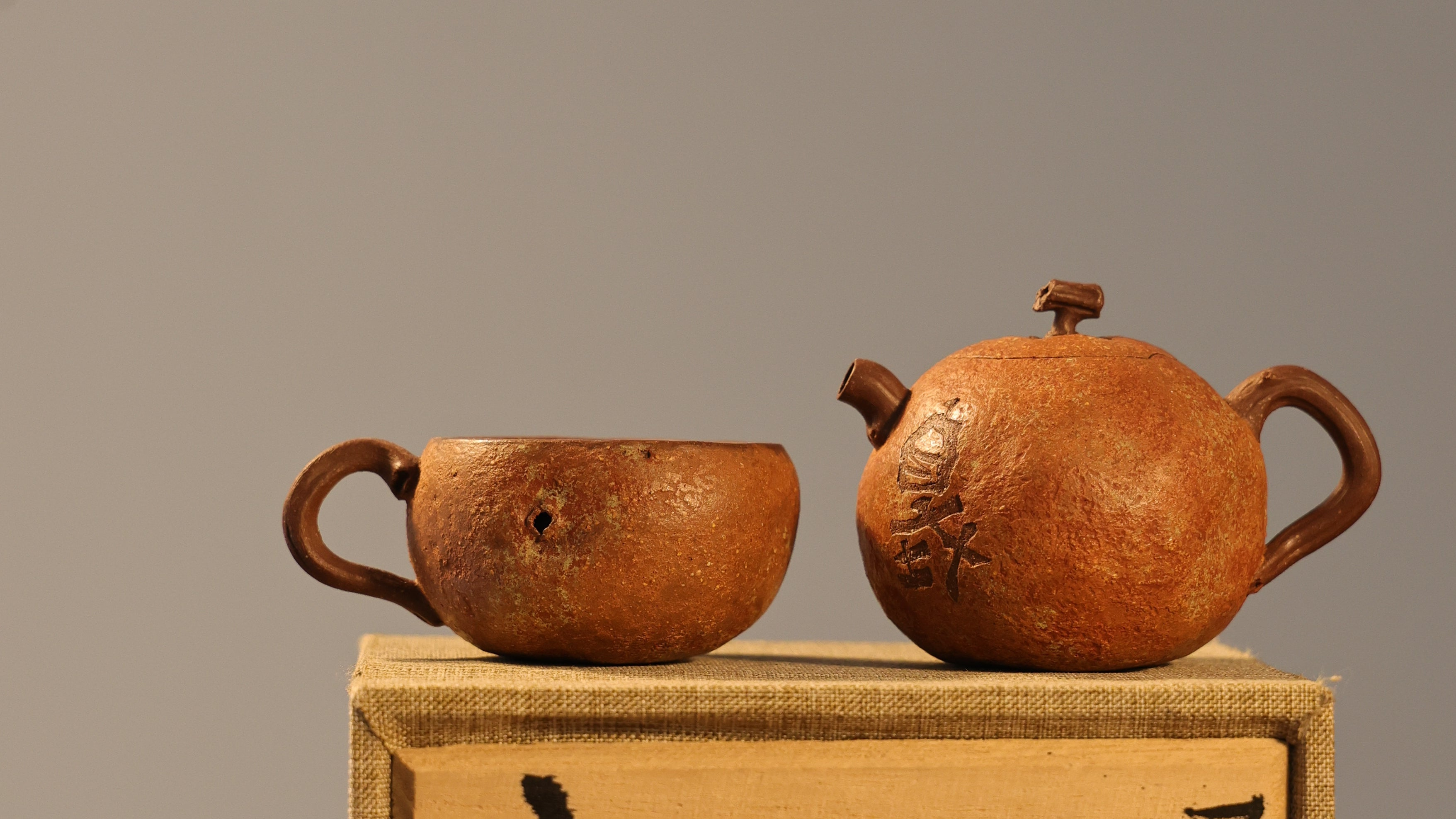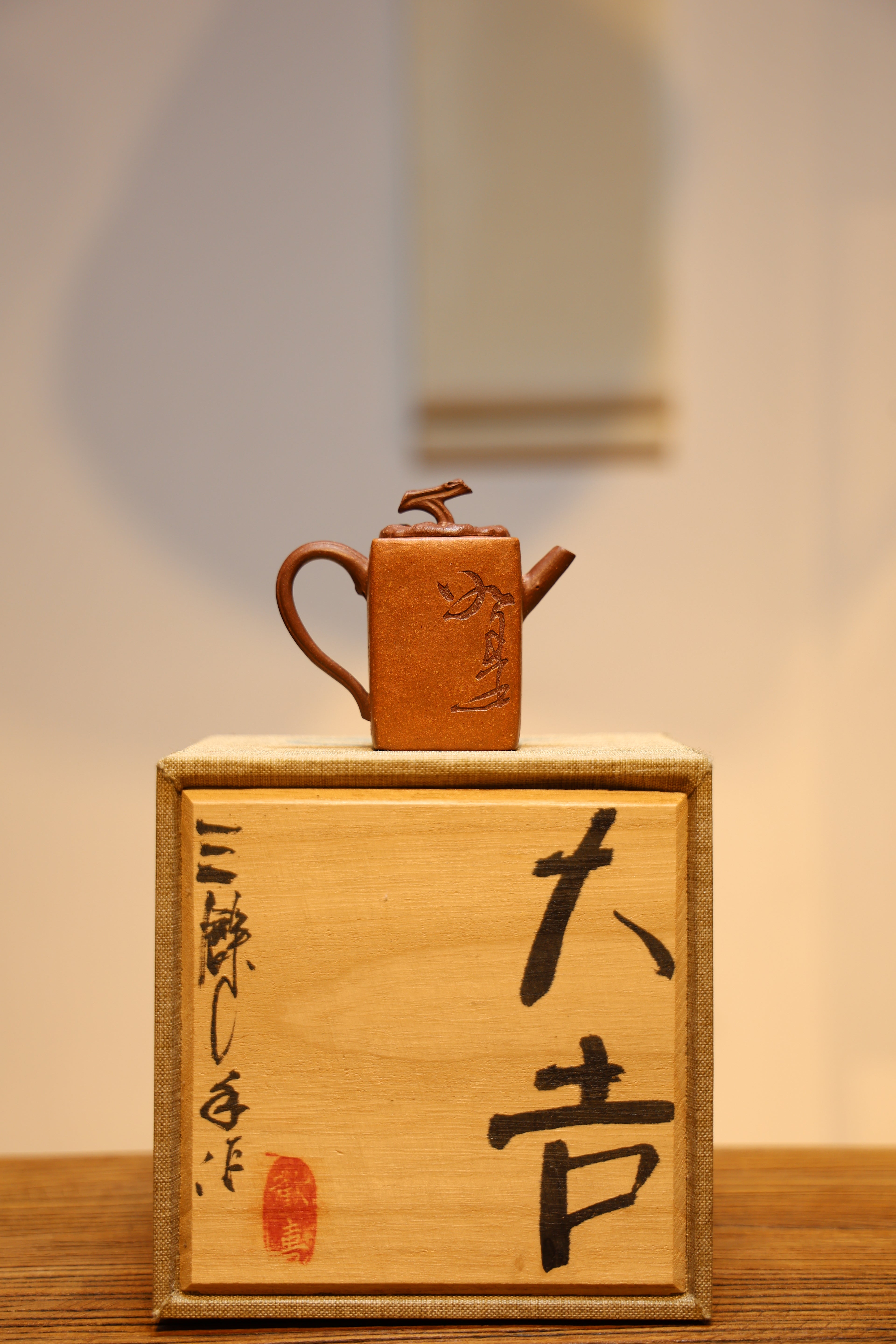
Centuries in experts have long valued the uncommon enchantment of Yixing Zisha pitchers. Founded in the scenic town of Yixing, the land, these containers are produced from a uncommon and collected purple clay acknowledged for its notable thermal traits and tendency to enhance the note of concoctions. More than their practical significance, Zisha teapots exemplify a extensive cultural roots, transforming them immensely treasured and a undisputed find for any zealous teapot collector.
Investigating Yixing Teapots
Historical teapots exhibit a remarkable integration of history and skilled craftsmanship. Developing in Yixing, Jiangsu District of China, their narrative traces to the Ming Dynasty, although clues suggest earlier iterations. The rare maroon clay, called Zisha, found exclusively in the Yixing region, is the fundamental component, contributing to the pots' excellent heat keeping and the manner they affect the character of tea. Periods of potters have polished techniques—often handed over through families—including designing the clay, applying ornate embellishments, and firing the pots at deliberate temperatures.- Originally, Yixing teapots were often trimmed with simple designs.
- Over time, more refined carvings and symbolic motifs became usual.
- The firing process itself is a fundamental element, requiring considerable time of mastery.
Accumulating Zisha Teapots: Critical Points
Commencing a journey to obtain Zisha pitchers can be fulfilling, but it’s necessary to discern what to look for. Authenticity is essential; focus on the clay’s natural shade, a muted reddish-brown is regular. copyrightine the surface; genuine Zisha has a special tactile sensation, often expressed as slightly rough. The configuration should be attractive and consistent with conventional styles, while signatures, if present, require meticulous copyrightination for truthfulness. Don’t shy away to consult with experienced dealers or reliable experiences – their understanding is invaluable.
A Earthenware: Investigating the Practice of renowned Zisha
Ages have seen Yixing Zisha Clay teapots retain a distinguished role in Chinese legacy. These exquisitely made pots, sourced solely from the area of Yixing, are celebrated for their identifiable tone, surface, and their ability to develop the essence of extracts. A multitude of collectors strive for antique Yixing teapots, estimating them considerably not only for their aesthetic grace, but also for the heritage they express.
Yixing Zisha Teapots: Exceptional Foremost Forms and Their Traits
Purple Earthenware teapots, established in the authentic locale of Yixing, this nation, are renowned for their distinctive clay and unparalleled brewing characteristics. In the diverse Zisha types, specific kinds that are highly valued include Qingtian. Binzhou, known for its vivid purple shade and velvety texture, delivers a soft flavor. Duan Ni clay, recognizable by its reddish color and partially grainy feel, is viewed to enhance the weight. Lastly, Zhuni Zisha boasts an exceptional carmine tone and can give a sweet nuance. Each category grants a unique experience, making them notably desirable with beverage enthusiasts.
Perfecting Individual Zisha Teapot
To realize the essence of your Yixing teapot, familiarizing oneself with the correct procedure is essential. These clay earthenware, celebrated for their penetrability, will gradually assimilate the character of the tea you create within them. Begin by scrubbing the teapot thoroughly with tepid water. Then, use only top-grade raw leaf tea, as lower quality options can affect the clay’s delicate notes. Always let the leaves to bloom completely, and remember that with each session, your Yixing urn will become progressively appreciated.
Preserving Your Beloved Zisha Piece
Proper management for your Purple Clay Teapot Zisha pot is fundamental to protecting its integrity and importance. Zisha clay, praised for its unique tone and structure, requires delicate handling. Never use stringent detergents, as these can ruin the covering. After every infusion, rinse the urn with lukewarm water and allow it to evaporate completely.
- Avoid soaking the pot for extended lengths.
- Periodically use a soft piece of cloth to refresh the exterior.
- Explore applying a thin layer of food-grade grease inside the jar after drying, which can reduce staining.
Basics of Yixing Vessels
Yixing containers, originating from the Yixing province in Jiangsu Province, located in China, are celebrated for their distinctive traits. Shaped from the unique purple clay known as Zisha, these containers are prized by brew enthusiasts worldwide. This digest will briefly explain the principles – covering classes of Zisha ground, prevailing shapes, and essential care guidance. Understanding the heritage of Yixing kettles can expand your appreciation for this celebrated copyrightple of Asian artistry.
Mastery of Han Pitchers: Presenting Zisha from the Yixing region
Zisha earth from the Yixing district represents the apex of Oriental pitcher design, demonstrating a uncommon concoction of natural beauty and functional artistry. These remarkable pieces are recognized for their deep hues, often extending between intense purples and red hues to soft greys and pale beiges. The particular mineral composition of the regional Zisha earth imparts a typical texture and produces a pleasing aroma that enhances the comprehensive concoction experience, enabling them notably cherished collectibles and necessary components of any serious ritual.