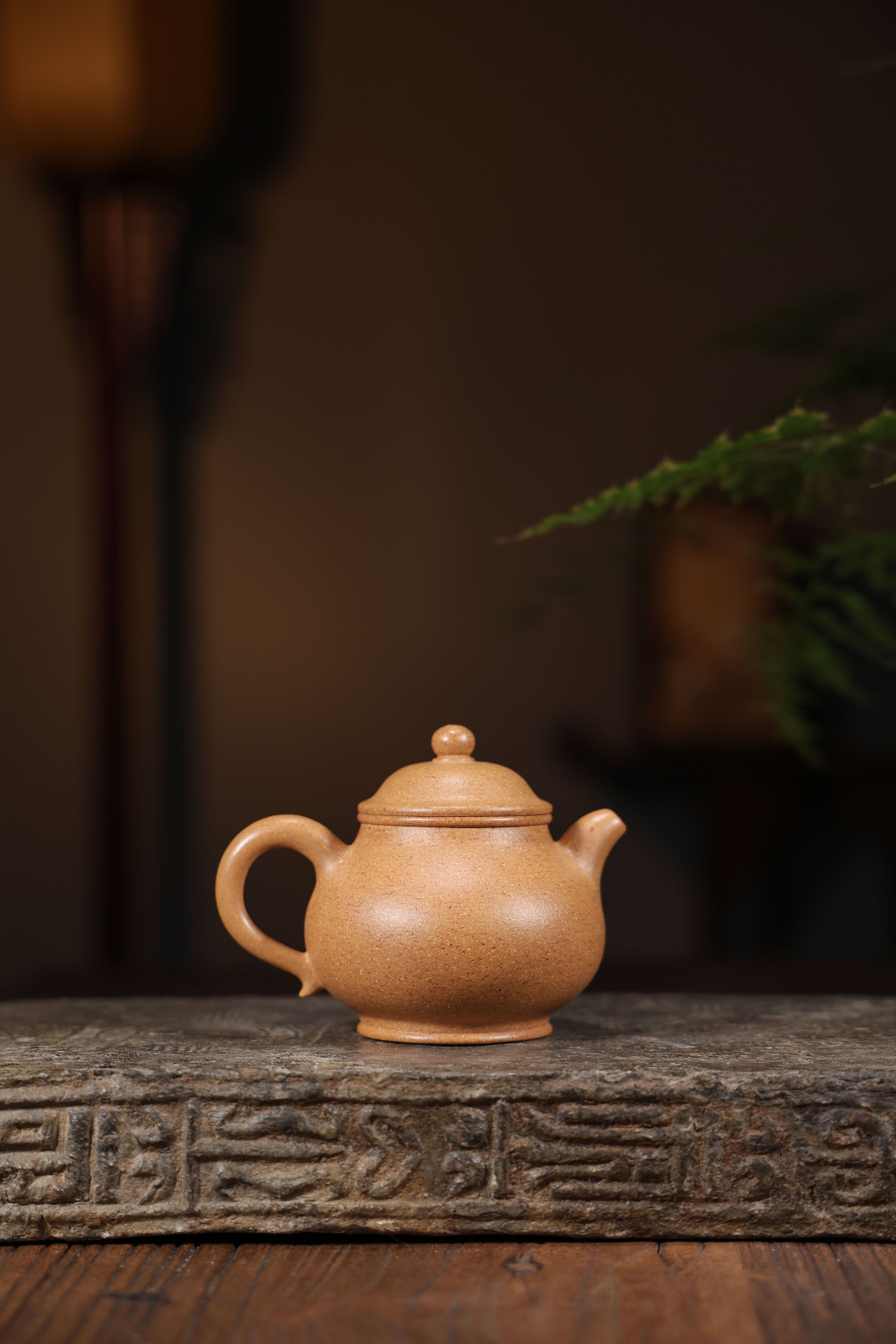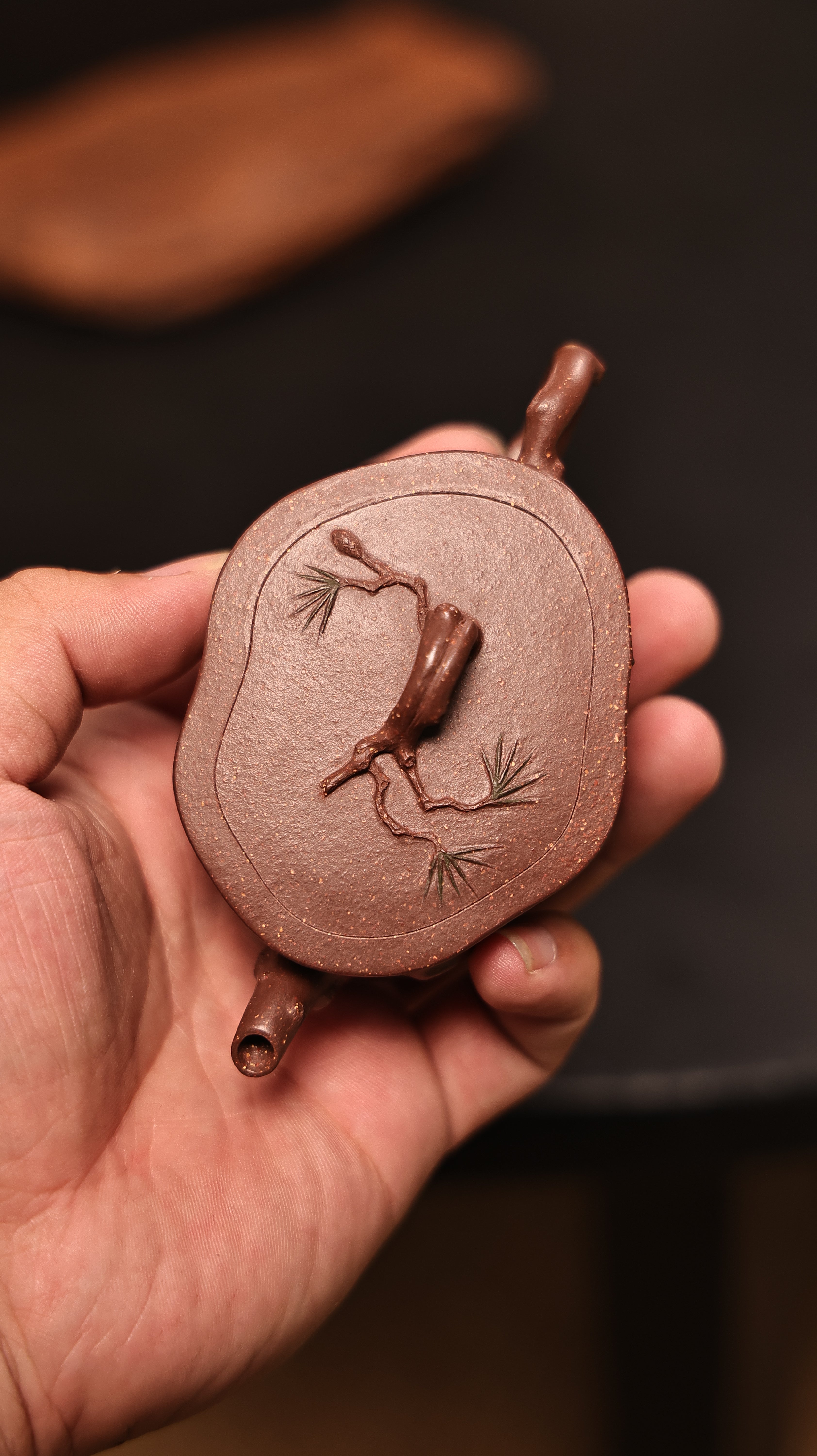
Generations of experts have long cherished the uncommon magnetism of Yixing Zisha earthenware. Coming in the modest town of Yixing, the state, these containers are produced from a uncommon and collected purple clay acknowledged for its notable thermal features and tendency to enhance the note of concoctions. More than their practical significance, Zisha teapots exemplify a extensive artistic pedigree, resulting them immensely prized and a veritable jewel for any serious teapot devotee.
Examining Yixing Clay Pots
Famous teapots demonstrate a distinctive synthesis of history and masterful craftsmanship. Coming in Yixing, Jiangsu Locale of China, their narrative stretches the Ming Dynasty, although evidence suggest earlier instances. The special burgundy clay, called Zisha, found specifically in the Yixing region, is the vital component, contributing to the pots' remarkable heat stability and the manner they enhance the essence of tea. Sequences of potters have enhanced techniques—often passed down through families—including molding the clay, applying detailed embellishments, and firing the pots at regulated temperatures.- Historically, Yixing teapots were often enhanced with simple designs.
- Later, more advanced carvings and figurative motifs became accepted.
- The baking itself is a vital element, requiring extensive periods of competence.
Obtaining Zisha Teapots: Fundamental Points
Undertaking a quest to obtain Zisha pitchers can be fulfilling, but it’s necessary to discern what to look for. Authenticity is essential; focus on the clay’s natural shade, a faint reddish-brown is typical. Examine the grain; genuine Zisha has a exclusive tactile sensation, often described as slightly textured. The contour should be symmetrical and consistent with classic styles, while inscriptions, if present, require painstaking examination for authenticity. Don’t hold back to consult with skilled authorities or reputable authorities – their perception is immeasurable.
Oriental Teapots: Delving into the Custom of authentic Purple Ware
Eons have seen Yixing Rare Clay teapots maintain a unique role in Chinese history. These carefully constructed pots, sourced exclusively from the locale of Yixing, are prominent for their distinctive tone, consistency, and their ability to boost the scent of tea. Numerous collectors collect antique Yixing teapots, coveting them profoundly not only for their aesthetic attractiveness, but also for the records they express.
Yixing Zisha Teapots: Unique Foremost Forms and Their Traits
Purple Earthenware teapots, established in the renowned territory of Yixing, the country, are noted for their special clay and exceptional brewing capabilities. Among the different Zisha types, selected types that are highly esteemed include Zhuni. Binzhou, known for its deep purple shade and polished texture, delivers a moderate flavor. Duan Ni form, recognizable by its coppery color and a bit grainy feel, is thought to enhance a robustness. Lastly, Zhuni variety boasts an uncommon maroon tone and can bestow a mild nuance. Each type affords a alternative experience, causing them highly desirable towards brew enthusiasts.
Brewing Perfection Specific Pottery Vessel
To unlock the capability of your Yixing vessel, knowing the correct way is vital. These clay receptacles, celebrated for their passability, will progressively accept the core of the tea you brew within them. Begin by cleansing the vessel thoroughly with steaming water. Then, use only superior loose leaf tea, as lower quality options can weaken the vessel’s delicate nuance. Always permit the leaves to extend completely, and remember that with each steeping, your Yixing teapot will become gradually unique.
Sustaining Your Precious Zisha Collectible
Proper maintenance for your Zisha pitcher is critical to securing its character and merit. Zisha clay, celebrated for its unique shade and Purple Clay Teapot texture, requires careful handling. Never use intense cleaners, as these can spoil the finish. After every application, rinse the jar with mild water and allow it to dehumidify completely.
- Refrain from soaking the container for extended sessions.
- Intermittently use a soft wiping cloth to polish the exterior.
- Deliberate applying a thin layer of food-grade mineral oil inside the pot after drying, which can limit staining.
Fundamentals of Yixing Kettles
Yixing teapots, originating from the Yixing locale in Jiangsu Province, inside China, are celebrated for their distinctive qualities. Produced from the unique purple material known as Zisha, these pitchers are prized by tea enthusiasts worldwide. This overview will succinctly explain the pillars – covering brands of Zisha earth, frequent shapes, and necessary care pointers. Understanding the history of Yixing clay pots can deepen your appreciation for this valued example of Sinic civilization.
Fabrication of Yuan Vessels: Spotlighting Zisha native to Yixing locality
Zisha compound from Yixing represents the height of Yuan vessel design, showing a singular amalgamation of unprocessed beauty and effective artistry. These distinguished pieces are acclaimed for their dynamic pigments, often including strong purples and copper hues to delicate greys and subtle beiges. The defining mineral composition of the exclusive-to-the-area Zisha substrate imparts a unique texture and delivers a pleasant aroma that heightens the whole drink experience, resulting in them greatly coveted collectibles and critical components of any serious brew.